Useful Summary
Meat recipes continue to play a central role in kitchens around the world, but the way people cook, consume, and think about meat is undergoing a noticeable transformation. Rising food costs, health considerations, and environmental debates are reshaping meat-based cooking, pushing both home cooks and chefs to rethink portions, techniques, and ingredients. This report explores the evolving place of meat recipes today, what this shift means for consumers, and how traditional cooking is adapting to modern realities.
Meat at the Heart of the Meal: Why It Still Matters
For generations, meat has symbolized nourishment, celebration, and abundance. In many cultures, a meal without meat was considered incomplete. Despite growing conversations around plant-based diets, meat remains deeply embedded in culinary traditions and daily eating habits.
Meat continues to matter because it provides:
- High-quality protein
- Essential nutrients such as iron, zinc, and vitamin B12
- Rich flavors that form the backbone of many traditional dishes
What has changed is not meat’s importance, but how it is approached. Today’s meat recipes reflect greater awareness, balance, and intention.
Why Meat Recipes Are Being Rethought
The renewed scrutiny of meat recipes did not appear overnight. It emerged gradually as consumers began questioning long-standing habits.
Several factors are driving this reassessment:
- Rising prices of beef, lamb, and poultry
- Health warnings about excessive consumption of processed meats
- Environmental concerns linked to livestock farming
- Lifestyle changes favoring lighter, quicker meals
As a result, meat recipes are evolving rather than disappearing. They are becoming leaner, more flexible, and often more creative.
From Heavy Plates to Balanced Dishes
Traditional meat recipes often relied on large portions, long cooking times, and rich sauces. While these dishes still exist, modern cooking trends favor balance over excess.
Today’s meat recipes increasingly emphasize:
- Smaller portions paired with vegetables or grains
- Leaner cuts prepared with care
- Cooking methods that preserve flavor without excess fat
This shift allows meat to remain central to the dish while sharing space with other ingredients.
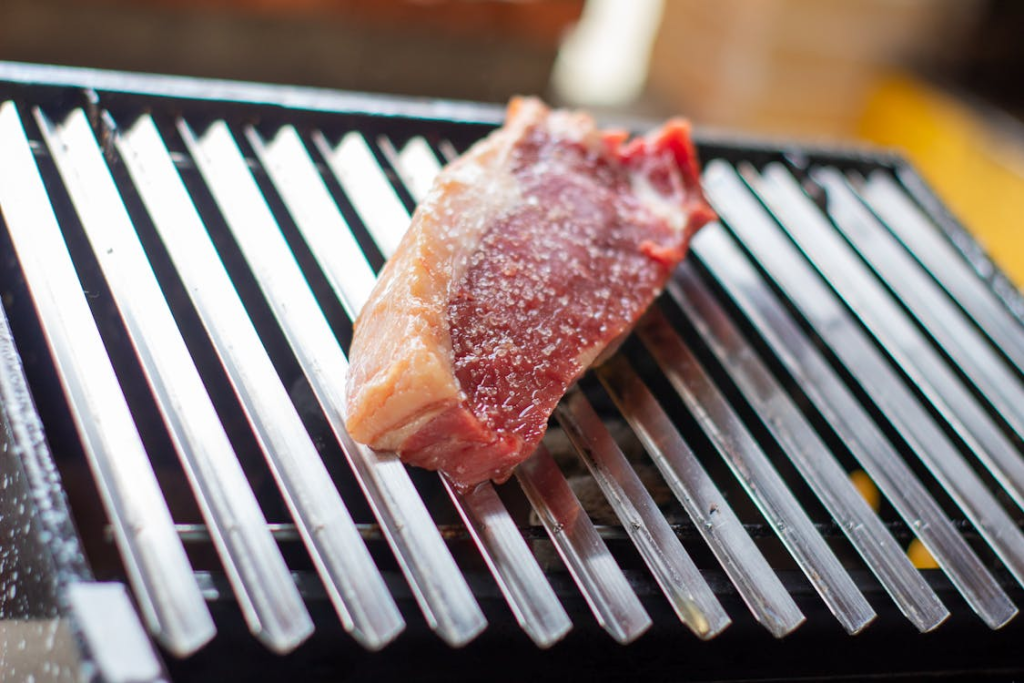
Meat Recipes
What Does This Shift Mean for the Consumer?
For consumers, the evolution of meat recipes reflects broader changes in priorities and daily realities.
On a practical level, meat still offers:
- Familiar and comforting flavors
- Satiety and long-lasting energy
- Versatility across cuisines
However, consumers are now asking more questions before choosing a meat recipe:
- How often should meat be eaten?
- Which cuts are healthiest?
- How does price influence meal planning?
- What is the environmental impact of meat consumption?
Choosing a meat recipe today is less automatic and more deliberate, shaped by health goals, budget constraints, and ethical considerations.
Health Conversations and Smarter Cooking Choices
Health discussions have significantly influenced how meat recipes are prepared. Medical research has linked excessive consumption of certain meats—especially processed varieties—to increased health risks.
As a result, health experts often recommend:
- Moderation rather than elimination
- Choosing lean cuts of meat
- Limiting processed meats such as sausages
- Using cooking methods that reduce added fats
Modern meat recipes respond to these recommendations by focusing on technique rather than excess, proving that flavor does not require heaviness.
The Role of Media in Changing Meat Culture
Media has played a powerful role in reshaping attitudes toward meat cooking. Cooking shows, online tutorials, and food journalism have introduced new approaches that make meat preparation more accessible and controlled.
Popular themes in modern meat content include:
- Clear temperature guidelines
- Simple marinades and rubs
- Emphasis on resting and slicing techniques
By breaking down the process visually and practically, media has empowered home cooks to approach meat with confidence rather than guesswork.
A Short Historical Perspective on Meat Recipes
Meat has played a defining role throughout human history. Access to meat was often tied to geography, wealth, and social status.
Historically:
- Meat was preserved through salting, drying, and smoking
- Large meat dishes were reserved for feasts and celebrations
- Many traditional cuisines developed around specific animals and cuts
In medieval societies, meat consumption was regulated by class and religion. In rural communities, animals were slaughtered infrequently, making meat dishes both rare and meaningful. Today’s shift toward mindful meat consumption echoes these historical patterns of moderation rather than abundance.
Economic Pressures and Their Impact on Recipes
One of the most immediate influences on meat recipes today is cost. Rising prices have forced many households to rethink how they buy and cook meat.
This has led to:
- Greater interest in affordable cuts
- Increased use of slow-cooking methods
- Smaller portion sizes
- Combining meat with vegetables or legumes
Rather than abandoning meat, consumers are finding ways to stretch it further without sacrificing flavor.
Sustainability and Ethical Considerations
Environmental concerns are now part of the meat conversation. Livestock farming is often associated with high water use, land degradation, and greenhouse gas emissions.
Modern meat recipes increasingly reflect these concerns by:
- Encouraging nose-to-tail cooking
- Reducing food waste
- Supporting local and responsibly raised meat
For many consumers, sustainability does not mean eliminating meat—it means consuming it more thoughtfully.
Restaurants and the Reinvention of Meat Dishes
Restaurants have been instrumental in redefining how meat is presented and perceived. Many modern menus now:
- Highlight the origin of the meat
- Use smaller portions with higher quality
- Pair meat with seasonal produce
Chefs experiment with techniques that enhance natural flavors rather than masking them, influencing how home cooks approach meat as well.
Global Influences on Modern Meat Recipes
Today’s meat recipes draw inspiration from across the globe. A single dish may combine:
- Middle Eastern spices
- Asian marinades
- European cooking techniques
This global exchange has expanded the definition of meat-based cooking, making traditional proteins feel new and relevant again.
Common Challenges for Home Cooks
Despite its familiarity, meat cooking still presents challenges.
Common concerns include:
- Overcooking or undercooking
- Choosing the right cut for the recipe
- Managing cost and waste
Modern recipes address these issues with:
- Clear cooking times and temperatures
- Simple seasoning strategies
- Practical substitutions
Education and guidance have reduced anxiety, making meat cooking more approachable.
Meat Recipes and Cultural Identity
Meat recipes are deeply tied to cultural identity. They often appear at:
- Religious celebrations
- Family gatherings
- National holidays
As recipes evolve, these cultural meanings are preserved rather than erased. Adaptation ensures that traditions remain relevant to new generations.
Technology and the Future of Meat Cooking
Technology is quietly shaping how meat is produced and cooked. Advances in:
- Cold storage and distribution
- Supply-chain transparency
- Home cooking appliances
have improved quality, safety, and consistency. Consumers are now better informed about where their meat comes from and how to prepare it properly.
Looking Ahead: The Future of Meat Recipes
The future of meat recipes is not defined by extremes. Instead, it points toward balance and intention.
Emerging trends suggest:
- Continued demand for meat, but in moderation
- Greater focus on quality over quantity
- More vegetable-forward meat dishes
Meat is unlikely to disappear from diets, but its role is becoming more thoughtful and refined.
Conclusion : A Tradition Evolving, Not Ending
Meat recipes today represent a tradition in evolution. They are adapting to modern concerns about health, sustainability, and cost without losing their cultural and nutritional significance. As consumers become more informed, meat is no longer eaten out of habit alone, but through conscious choice.
The question is no longer whether meat belongs on the plate, but how often, how much, and how responsibly it should be prepared. In that balance lies the future of meat recipes—rooted in history, shaped by the present, and evolving toward a more mindful tomorrow.