Useful Summary
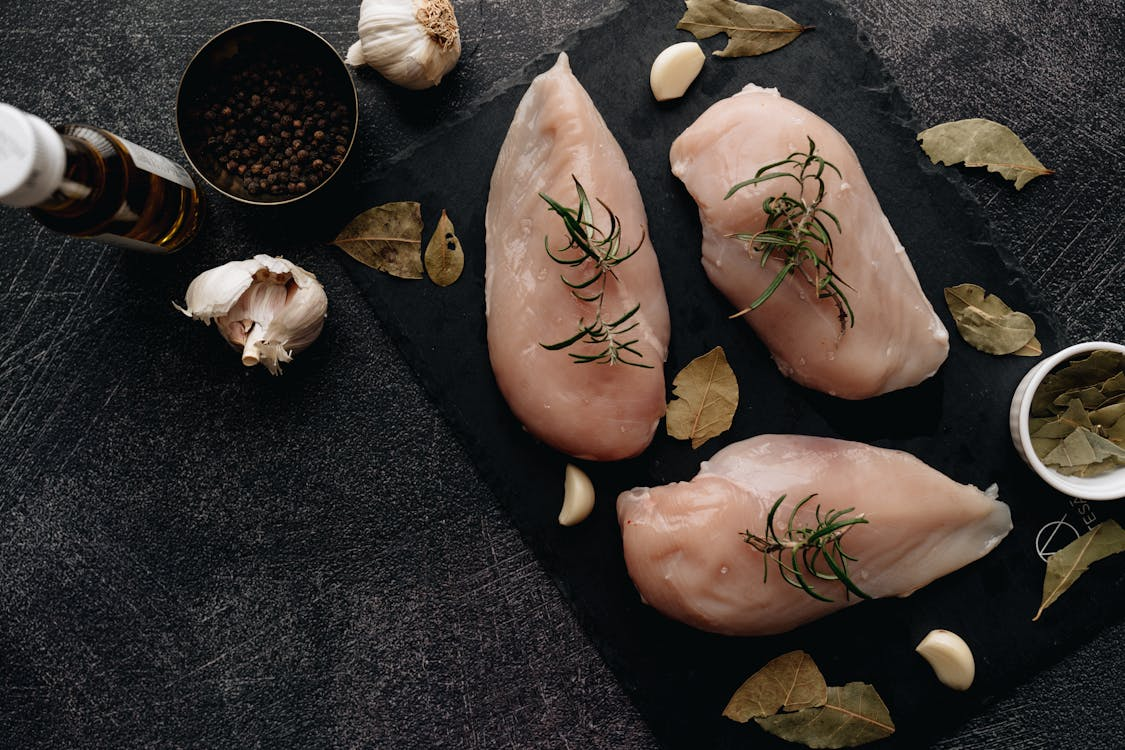
If you’re asking what makes chicken recipes so consistently useful, the answer is clear: chicken is the most adaptable protein in everyday cooking. It is affordable, easy to prepare, nutritionally flexible, and deeply familiar. From fast weekday meals to slow, comforting dishes, chicken recipes answer modern needs while preserving tradition. This article explores chicken recipes as both practical solutions and cultural signals—showing how they work, why they endure, and where they are heading next.
Why Chicken Recipes Still Matter Today
Chicken recipes are not popular by accident. They succeed because they solve real problems for real people.
A Protein Designed for Modern Life
Chicken fits into almost every lifestyle:
- Budget-friendly compared to many meats
- Quick to cook when time is limited
- Suitable for health-focused diets
- Accepted across cultures and traditions
Ask yourself: when dinner feels uncertain, how often does chicken feel like the safest option?
Familiar Food, Emotional Comfort
Chicken recipes often carry memory:
- Soup when someone is sick
- Roast chicken for family gatherings
- Fried chicken during celebrations
This emotional connection gives chicken staying power beyond trends.
Understanding Chicken Before You Cook
Choosing the Right Cut
Every successful recipe begins with the right choice:
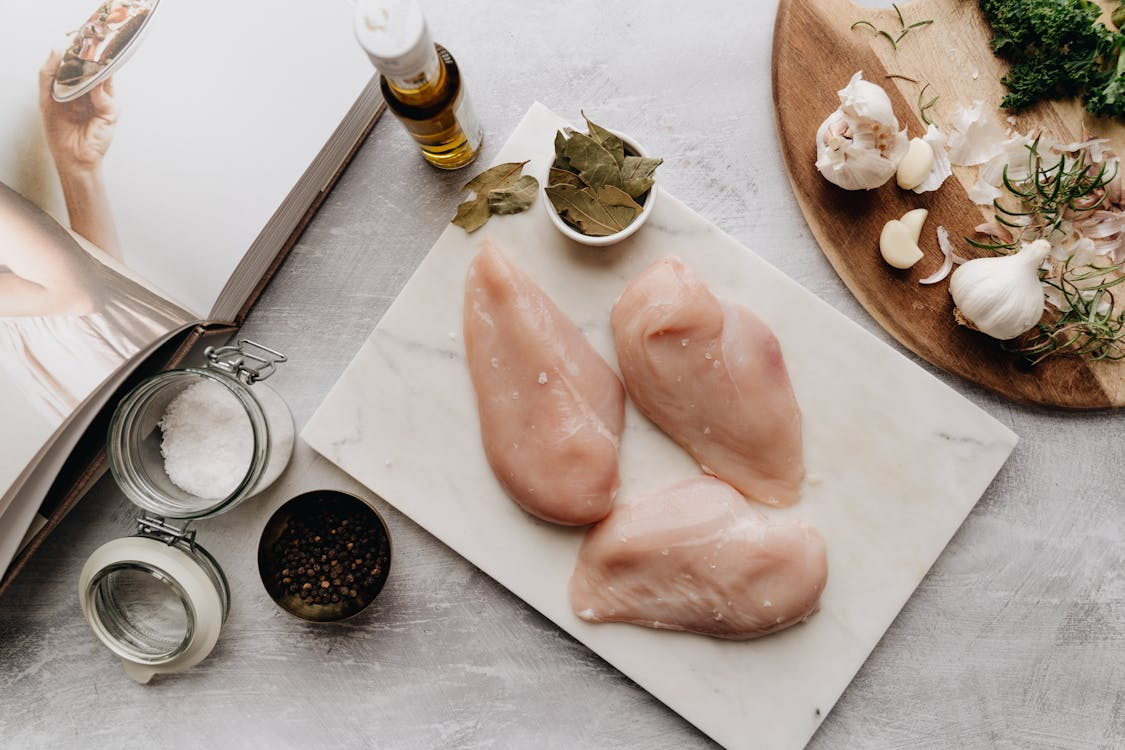
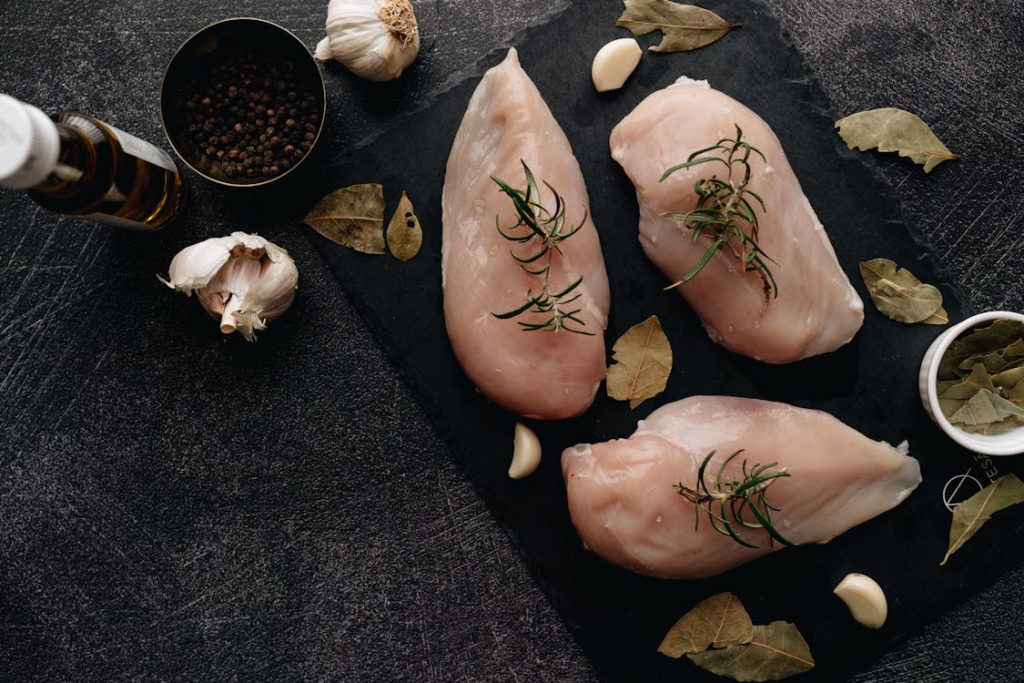
- Chicken breast: Lean, fast-cooking, easy to overcook
- Chicken thighs: Juicy, forgiving, ideal for roasting and stews
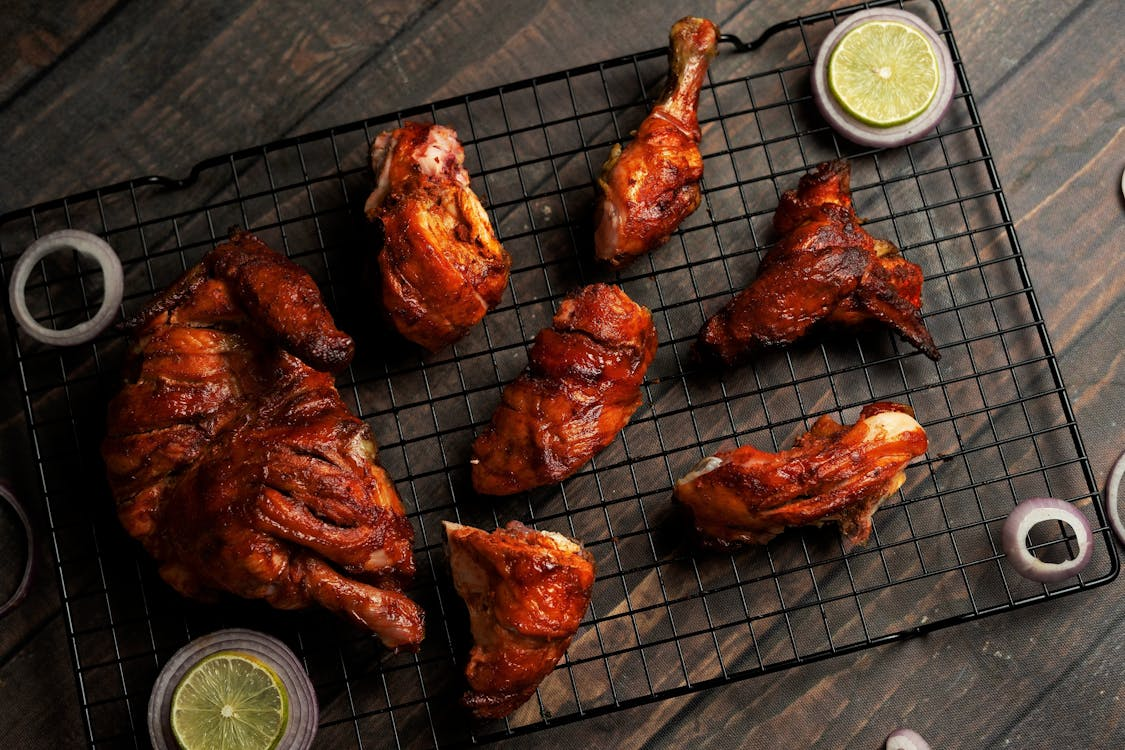
- Wings and drumsticks: Flavor-rich, perfect for baking or frying
- Whole chicken: Economical, versatile, ideal for multiple meals
Good cooking is often about matching the cut to the method.
Preparation Basics That Make a Difference
- Frozen chicken works well if thawed slowly
- Drying the skin improves browning
- Simple seasoning often beats complex sauces
Small details quietly improve results.
Essential Cooking Techniques Behind Chicken Recipes
Roasting
- Best for whole chickens and bone-in pieces
- High heat creates crisp skin
- Minimal seasoning allows natural flavor
Pan-Searing
- Ideal for chicken breasts and cutlets
- Fast and efficient
- Requires attention to avoid dryness
Braising and Stewing
- Best for thighs and legs
- Builds deep flavor
- Excellent for batch cooking
Grilling
- Adds smoke and char
- Marinades improve moisture
- Popular for social meals
Which technique do you rely on—and which one do you still avoid?
Chicken Recipes (Analytical Perspective)
chicken Recipes
From an analytical point of view, chicken recipes reflect how people live and cope. The rise of quick chicken meals mirrors longer workdays and less time for cooking. Air-fryer chicken reflects health awareness without sacrificing texture. Meanwhile, the return of slow-cooked stews and whole roasted chickens signals emotional cooking—meals that offer comfort and stability in uncertain times.
Today, chicken recipes tend to fall into three clear categories:
- Efficiency-driven recipes: fast, one-pan, minimal ingredients
- Health-focused recipes: grilled, baked, or air-fried chicken
- Experience-based recipes: cultural dishes and weekend cooking
Understanding these categories helps cooks choose recipes that fit their lifestyle, not just their appetite.
Chicken Recipes from Around the World
Mediterranean Lemon Chicken
- Olive oil, garlic, lemon, herbs
- Bright and balanced
- Suitable for everyday meals
Moroccan-Spiced Chicken
- Cumin, paprika, ginger, turmeric
- Slow-cooked for depth
- Comforting and aromatic
Asian Stir-Fried Chicken
- Soy sauce, garlic, ginger
- High heat, quick cooking
- Easily adaptable
Southern Fried Chicken
- Buttermilk marinade
- Crispy seasoned coating
- Deeply nostalgic
Each recipe tells a cultural story.
Everyday Chicken Recipes for Busy Homes
One-Pan Chicken and Vegetables
- Chicken thighs
- Seasonal vegetables
- Olive oil, salt, pepper
Minimal effort, minimal cleanup.
Chicken Rice Bowls
- Grilled or roasted chicken
- Rice or grains
- Custom toppings
Flexible and budget-friendly.
Shredded Chicken Strategy
Cook once, use many times:
- Salads
- Wraps
- Soups
- Sandwiches
Efficiency supports consistency.
Common Mistakes That Ruin Chicken Recipes
- Overcooking, especially chicken breast
- Under-seasoning, particularly early salt
- Skipping rest time, which dries the meat
Most chicken failures are preventable.
A Short Historical Perspective
Chicken was once a luxury food, eaten mainly on special occasions. In the mid-20th century, advances in farming and refrigeration made it widely affordable. During economic downturns and global crises, home-cooked chicken recipes have repeatedly surged—just as they did in earlier decades—because people return to food that feels familiar, reliable, and nourishing. History shows that chicken gains importance when stability is needed most.
Nutrition and Health in Chicken Cooking
Smarter Choices Without Losing Flavor
- Grill, bake, or roast most days
- Use herbs and spices instead of heavy sauces
- Balance meals with vegetables and grains
Balance Over Perfection
- Fried chicken has cultural value
- Long-term habits matter more than strict rules
The Future of Chicken Recipes
Chicken cooking continues to evolve:
- Air fryers and smart ovens shape techniques
- Sustainability encourages whole-chicken use
- Global flavors inspire fusion dishes
Future recipes will focus more on adaptability than rigid instructions.
Conclusion: Why Chicken Recipes Will Always Endure
Chicken recipes last because they meet people where they are—busy, budget-conscious, health-aware, or seeking comfort. When cooks understand the ingredient and choose methods intentionally, chicken becomes more than a routine meal. It becomes a reflection of daily life. As food culture continues to shift, chicken will remain at the heart of home cooking, quietly evolving while always staying relevant.