Useful Summary
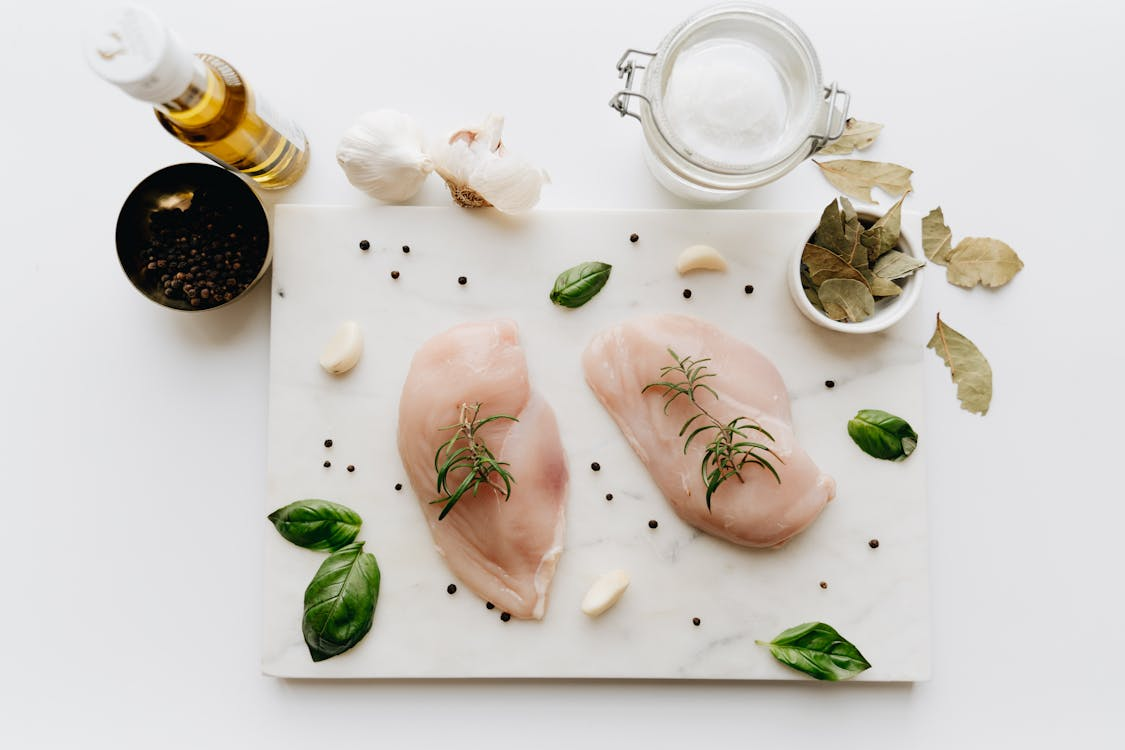
Chicken recipes remain a global kitchen favorite because they balance affordability, nutrition, and near‑endless versatility. Whether you’re a busy home cook looking for quick weeknight dinners or a food lover eager to experiment with bold flavors, chicken adapts effortlessly to your needs. From roasted classics and pan‑seared staples to slow‑cooked stews and modern fusion plates, this article walks you through practical techniques, popular recipe styles, cultural insights, and future trends—so you can cook chicken with confidence, creativity, and purpose.
Why Chicken Dominates Home Cooking Worldwide
Chicken isn’t just popular by accident. Its rise to culinary stardom is the result of practical and cultural factors that intersect perfectly in the modern kitchen.
A Protein That Fits Every Lifestyle
- Accessible: Widely available and usually more affordable than red meat or seafood.
- Nutritious: High in protein, lower in fat (especially breast meat), and adaptable to healthy cooking methods.
- Neutral flavor: Acts like a blank canvas, absorbing spices, marinades, and sauces.
Ask yourself: how many ingredients in your fridge can become Italian, Moroccan, Thai, or Mexican with just a spice swap? Chicken can—and that’s why it wins.
Cuts Matter More Than You Think
Understanding chicken cuts instantly upgrades your cooking:
- Breast: Lean, quick‑cooking, ideal for grilling and stir‑frying.
- Thighs: Juicier, forgiving, perfect for braising and roasting.
- Drumsticks & wings: Flavor‑rich, great for baking, frying, or barbecuing.
- Whole chicken: Economical and versatile—roast once, eat multiple meals.
Interactive tip: Next time you shop, choose the cut based on method, not just habit.
Essential Chicken Cooking Techniques
Before diving into recipes, mastering a few core techniques makes all the difference.
Roasting
Roasting delivers crispy skin and tender meat with minimal effort.
- Best for: Whole chickens, thighs, drumsticks
- Key trick: Dry the skin well and roast at high heat (200–220°C)
Pan‑Searing
Fast and flavorful, ideal for busy days.
- Best for: Chicken breasts, cutlets
- Key trick: Don’t move the chicken too early—let it form a golden crust
Braising & Stewing
Low and slow cooking that builds deep flavor.
- Best for: Thighs, legs
- Key trick: Brown first, then simmer gently
Grilling
Smoky, bold, and perfect for marinades.
- Best for: Breast, thighs
- Key trick: Oil the grill, not the chicken
Pause and think: which technique do you overuse—and which one do you avoid for no reason?
Chicken Recipes (Analytical Perspective)
chicken Recipes
From a journalistic lens, chicken recipes reflect more than taste—they reveal how people live, work, and eat today. The surge in one‑pan chicken meals mirrors time‑poor households. The popularity of air‑fryer chicken points to health consciousness paired with convenience. Meanwhile, the revival of slow‑cooked chicken stews suggests a longing for comfort and tradition in uncertain times.
Analytically, chicken recipes fall into three functional categories:
- Efficiency‑driven recipes: 30‑minute meals, minimal ingredients, high repetition value.
- Health‑optimized recipes: Grilled, baked, or air‑fried chicken with global spices.
- Experience‑focused recipes: Weekend roasts, cultural dishes, and celebratory plates.
Understanding why a recipe exists helps you decide when to cook it.
Global Chicken Recipes You Should Know
Mediterranean Lemon Roast Chicken
Bright, herbaceous, and timeless.
- Key flavors: Lemon, garlic, oregano, olive oil
- Why it works: Acid balances fat, herbs perfume the meat
Moroccan Chicken with Spices
Layered warmth without overwhelming heat.
- Key flavors: Cumin, paprika, ginger, saffron
- Often paired with: Olives, preserved lemon
Asian‑Style Stir‑Fried Chicken
Fast, flexible, and sauce‑driven.
- Key flavors: Soy sauce, ginger, garlic, sesame oil
- Pro tip: Velvet the chicken for tenderness
American Southern Fried Chicken
Crunchy, nostalgic, and indulgent.
- Key technique: Buttermilk soak + seasoned flour
- Cultural note: A dish tied to community and celebration
Which one fits your mood today?
Everyday Chicken Recipes for Busy Lives
One‑Pan Garlic Chicken
- Chicken thighs
- Garlic, onion, potatoes
- Olive oil, salt, pepper
Everything cooks together. Fewer dishes. More flavor.
Chicken Rice Bowl
- Grilled chicken breast
- Steamed rice
- Fresh vegetables + sauce of choice
Build‑your‑own meals encourage healthier eating habits.
Shredded Chicken for the Week
Cook once, eat all week:
- Tacos
- Salads
- Sandwiches
- Soups
Efficiency isn’t boring—it’s strategic.
Common Mistakes People Make with Chicken
Let’s be honest—most dry chicken is avoidable.
Overcooking
- Chicken breast dries quickly
- Use a thermometer (74°C internal temperature)
Under‑seasoning
- Salt early, not at the end
- Season layers, not just surfaces
Skipping Rest Time
- Resting keeps juices inside
- Even 5 minutes matters
Quick question: when was the last time you rested your chicken before cutting?
A Brief Historical Perspective
Chicken recipes have evolved alongside major social shifts. During the mid‑20th century, industrial farming made chicken affordable and widely available, transforming it from a luxury into a staple. In the 1970s and 1980s, global migration and media introduced international chicken dishes into home kitchens. More recently, during periods of economic uncertainty and global lockdowns, searches for roast chicken and stew recipes surged—reflecting a return to comforting, familiar food when stability felt fragile.
Food history reminds us: what we cook often mirrors how we feel.
Nutrition and Health: Cooking Chicken Smarter
Lean Doesn’t Mean Bland
- Use spices instead of heavy sauces
- Try yogurt‑based marinades
Balance the Plate
- Pair chicken with vegetables and whole grains
- Avoid relying only on refined carbs
Cooking Method Matters
- Baking and grilling reduce excess fat
- Frying is fine—occasionally
Healthy cooking is about patterns, not perfection.
The Future of Chicken Recipes
Looking ahead, chicken recipes are likely to evolve in three directions:
- Technology‑driven: Air fryers, smart ovens, precision cooking
- Sustainability‑focused: Ethical sourcing, whole‑chicken cooking, less waste
- Flavor‑forward: Regional spices, fermented sauces, cross‑cultural fusion
Expect fewer rigid recipes and more adaptable frameworks—guides that encourage intuition over strict rules.
Conclusion: Cooking Chicken with Intention
Chicken recipes endure because they meet people where they are—busy, curious, health‑aware, nostalgic, or adventurous. When you understand techniques, respect the ingredient, and choose recipes that match your moment, chicken stops being routine and starts becoming meaningful. The next time you cook chicken, don’t just follow steps—ask what kind of meal you actually need today. That question might be the most important ingredient of all.