Useful Summary
Chicken recipes remain one of the most practical and popular answers to everyday cooking because chicken is affordable, easy to find, quick to prepare, and flexible enough to fit almost any cuisine or lifestyle. Whether you are feeding a family, cooking on a tight budget, or trying to eat healthier without losing flavor, chicken delivers reliable results. This article directly answers the reader’s question: how can chicken be cooked in ways that are simple, flavorful, and still interesting today. Written from a professional journalist’s perspective, it combines detailed recipe guidance, cultural and economic background, analytical insight, a short historical comparison, and an interactive tone that invites you to rethink how you cook chicken now and how you might cook it in the future.
Why Chicken Continues to Dominate Home Cooking
Chicken’s popularity is not the result of a trend. It is the result of daily reality. From a journalist’s point of view, chicken reflects how people balance time, money, health, and comfort in their kitchens.
Chicken works so well because it offers several advantages at once:
- Mild flavor that adapts easily to spices, herbs, and sauces
- Faster cooking time than most red meats
- High-quality protein with moderate fat
- Cultural acceptance across regions, religions, and generations
Think about your own weekly routine. How many meals included chicken compared with beef or fish? For many households, chicken is no longer an option among many; it is the foundation of everyday meals.
Interactive pause: If chicken suddenly disappeared from stores for a month, what protein would realistically replace it in your kitchen?
Understanding Chicken Before You Start Cooking
Chicken Cuts and Their Best Uses
One of the most common mistakes home cooks make is treating all chicken cuts the same. Each part of the bird behaves differently and needs a specific approach.
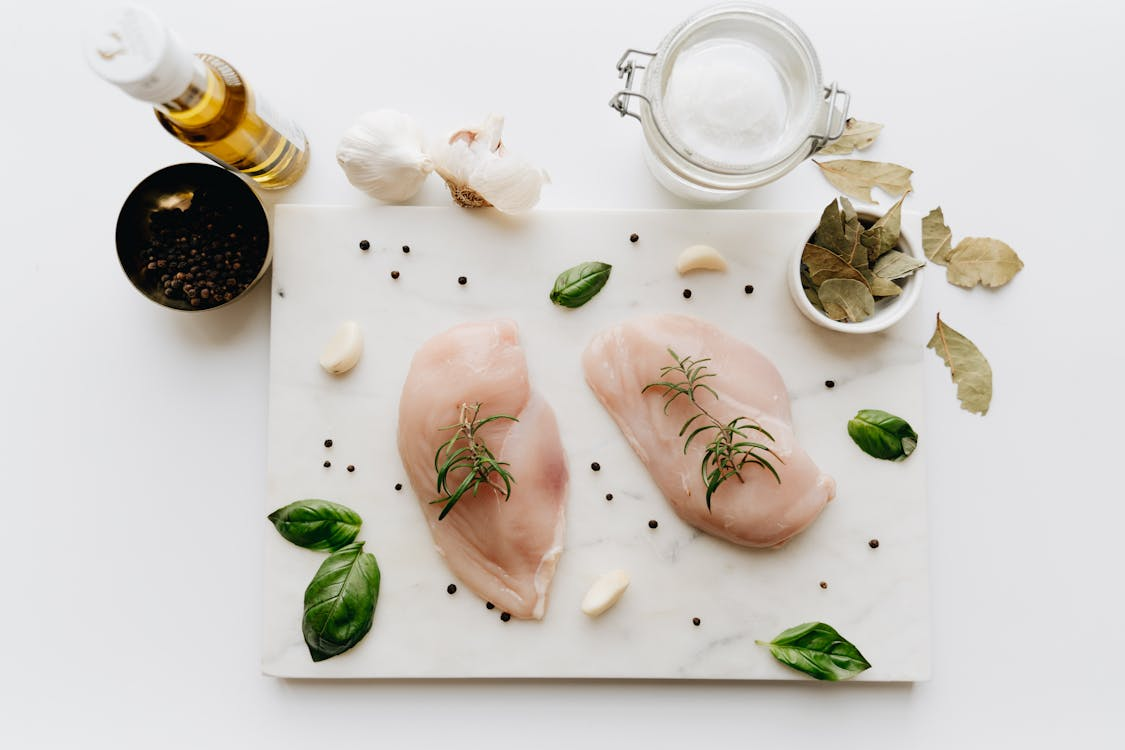
- Chicken breast
Lean and quick cooking
Best for grilling, pan-searing, and stir-frying
Easily dries out if overcooked - Chicken thighs
Juicier and more forgiving
Ideal for roasting, braising, and slow cooking
Absorbs spices and marinades deeply - Whole chicken
Economical and versatile
Suitable for roasting, boiling, or slow cooking
Can provide multiple meals from one bird - Wings and drumsticks
Flavorful and budget-friendly
Great for baking, frying, or grilling
Popular for casual meals and gatherings
Professional chefs often prefer thighs because they remain tender even with longer cooking times, while home cooks often choose breasts for convenience and perceived health benefits.
Fresh, Frozen, and Safe Handling
Modern kitchens rely on both fresh and frozen chicken.
- Fresh chicken offers better texture for quick meals
- Frozen chicken provides flexibility and longer storage
- Proper thawing is essential for food safety and even cooking
Question for you: Do you plan meals around the chicken you buy, or do you buy chicken based on the meals you plan?
Everyday Chicken Recipes That Build Confidence
Simple Pan-Seared Chicken
Pan-searing is one of the most useful techniques any home cook can master.
Basic method:
- Pat the chicken dry before cooking
- Season generously with salt and pepper
- Heat the pan well before adding oil
- Let the chicken cook undisturbed until golden
Why this works:
- Develops flavor through browning
- Locks in moisture
- Produces fast and consistent results
Serve with vegetables, rice, or a simple pan sauce for a complete and satisfying meal.
Oven-Roasted Chicken Pieces
Roasting is forgiving and ideal for busy households.
Common approach:
- Use thighs or drumsticks
- Toss with oil, salt, herbs, and spices
- Roast until the skin is crisp and juices run clear
Why roasting remains popular:
- Minimal preparation
- Reliable results
- Easy cleanup
Interactive thought: Do you roast chicken the same way every time, or change spices depending on your mood or the season?
Global Chicken Recipes That Expand Flavor
Mediterranean and Middle Eastern Chicken
These recipes rely on herbs, spices, and acidity rather than heavy sauces.
Common flavor elements include:
- Garlic
- Lemon
- Paprika
- Cumin
Cooking methods usually involve roasting or grilling, allowing spices to deepen naturally and complement chicken’s mild taste.
Asian-Style Chicken Stir-Fry
Fast, flexible, and practical, stir-fries are a global staple.
Key elements:
- Thinly sliced chicken
- High-heat cooking
- Balanced sauces combining salty, sweet, and acidic notes
Why stir-fries endure:
- Speed and efficiency
- Adaptability to available vegetables
- Ideal use of leftovers
Comfort Chicken Recipes That Feel Like Home
Chicken Soup as Emotional Food
Chicken soup exists in nearly every culture and carries meaning beyond nutrition.
Typical ingredients include:
- Chicken pieces
- Vegetables
- Herbs
- Water or broth
From a journalist’s perspective, chicken soup resurges during illness, stress, or uncertainty because it represents warmth, care, and recovery.
Baked Chicken and Potatoes
A classic one-pan meal that continues to feed families worldwide.
Why it endures:
- Balanced nutrition
- Familiar flavors
- Minimal effort
Reflection: Which chicken dish reminds you most of home, and why?
Health-Focused Chicken Recipes
Grilled Chicken for Lighter Meals
Grilling highlights chicken’s natural flavor without excess fat.
Helpful tips:
- Marinate briefly to prevent dryness
- Avoid overcooking
- Let the chicken rest before slicing
Often paired with:
- Salads
- Grilled vegetables
- Whole grains
Poached Chicken for Meal Preparation
Poaching produces tender, neutral-flavored chicken.
Best uses include:
- Salads
- Wraps
- Sandwiches
Often underestimated, poaching is one of the most practical techniques for weekly meal planning.
chicken Recipes An Analytical Perspective
chicken Recipes
From an analytical standpoint, chicken recipes dominate modern cooking because chicken sits at the intersection of economics, health, and cultural accessibility. Chicken is cheaper to produce than many other meats, cooks faster, and aligns with dietary trends focused on lean protein. Its mild flavor allows it to adapt easily across cuisines, from heavily spiced dishes to subtle preparations.
Economically, chicken thrives during inflationary periods because it stretches household budgets. Nutritionally, it supports protein needs with less fat than red meat. Culturally, chicken carries fewer restrictions than other meats, making it widely accepted across regions and traditions.
Chicken recipes succeed not because they are inherently exciting, but because they are endlessly adaptable to changing needs.
A Short Historical Perspective
Historically, chicken consumption increased during periods of urbanization and industrial growth, when families needed affordable protein that cooked quickly. During economic downturns, chicken often replaced more expensive meats on household tables. During the global pandemic, chicken recipes surged online as home cooks searched for reliable, comforting meals.
This pattern mirrors earlier moments in history. When uncertainty rises, people return to foods that feel safe, familiar, and flexible. Chicken has consistently filled that role.
Common Mistakes When Cooking Chicken
Even experienced cooks make mistakes.
Watch out for:
- Overcooking chicken breast
- Under-seasoning
- Skipping resting time
- Cooking chicken straight from the refrigerator
Self-check: Which of these mistakes do you recognize from your own kitchen?
Chicken Recipes in Today’s Food Culture
Modern chicken recipes exist at the crossroads of:
- Health-conscious eating
- Global flavor exploration
- Meal-preparation culture
- Sustainability discussions
Rather than abandoning chicken, cooks are refining how it is sourced, seasoned, and prepared to match modern values and expectations.
Conclusion Looking Ahead
Chicken recipes are not disappearing; they are evolving. As cooking habits change, chicken continues to adapt through new techniques, flavors, and cultural influences. From simple weekday meals to globally inspired dishes, chicken remains one of the most dependable proteins in the kitchen.