Useful Summary
Meat recipes continue to play a defining role in everyday cooking, but they are undergoing a quiet transformation. Rising food costs, health awareness, and environmental debates are changing how often meat appears on the plate, which cuts people choose, and how those cuts are prepared. Rather than disappearing, meat recipes are evolving—becoming more balanced, more intentional, and more closely tied to values around health and sustainability. This report examines how meat recipes are changing, what this shift means for consumers, and where meat-based cooking is heading next.
Meat and the Meaning of Food Security
For generations, meat was closely linked to food security and prosperity. In many households, having meat on the table meant stability and well-being. In times of scarcity, its absence was immediately felt.
That historical association still shapes attitudes today. Even as eating habits diversify, meat remains a symbol of nourishment and comfort. But the way people think about meat has shifted from quantity to quality, and from routine consumption to conscious choice.
Ask yourself: do you cook meat because it’s expected—or because it truly adds value to the meal? That question increasingly defines modern cooking.
Why Meat Recipes Are Being Questioned—Not Rejected
The growing scrutiny around meat recipes does not mean people are turning away from meat entirely. Instead, it reflects a reassessment driven by real-world pressures.
Key factors include:
- Rising prices of beef, lamb, and poultry
- Medical studies linking excessive meat intake to health risks
- Environmental concerns tied to livestock farming
- Lifestyle changes favoring faster, lighter meals
These pressures have encouraged cooks to rethink how meat is used. The result is not less creativity, but more intention.
From Centerpiece to Supporting Role
Traditional meat recipes often placed meat at the absolute center of the dish. Vegetables and grains were supporting elements, added almost as an afterthought.
That hierarchy is changing.
Modern meat recipes increasingly:
- Use smaller portions of meat
- Let vegetables, legumes, or grains share the spotlight
- Focus on flavor development rather than volume
This does not diminish meat’s importance—it reframes it. Meat becomes a powerful component, not the entire story.
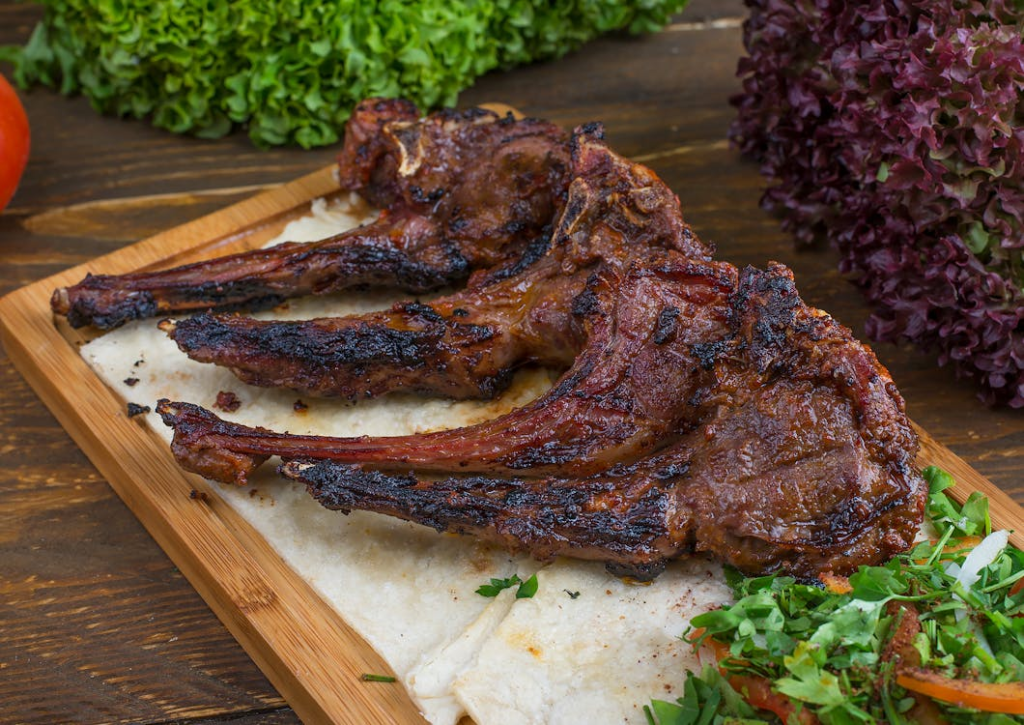
meat Recipes
What Does This Shift Mean for the Consumer?
For consumers, the evolution of meat recipes has practical and philosophical implications.
On a practical level, meat still provides:
- Complete protein
- Essential nutrients like iron, zinc, and vitamin B12
- Familiar flavors tied to comfort and tradition
But today’s consumer is more informed and more selective. Before choosing a meat recipe, many now consider:
- How often meat should be eaten
- Which cuts deliver the best value
- How to reduce waste
- The environmental footprint of meat production
Cooking meat is no longer automatic. It is a decision shaped by health goals, budget realities, and ethical awareness.
Health Awareness and Smarter Meat Cooking
Health discussions have significantly influenced how meat recipes are approached. While meat remains nutritionally valuable, excessive consumption—especially of processed meats—has been linked to health concerns.
As a result, health professionals often recommend:
- Moderation rather than elimination
- Lean cuts over fatty ones
- Limiting processed meats such as sausages and cured products
- Cooking methods that reduce added fats
Modern meat recipes increasingly follow these principles, proving that flavor and satisfaction can coexist with restraint.
Media and the New Meat Education
Media has played a decisive role in reshaping meat culture. Cooking shows, food journalism, and online tutorials have turned meat preparation into a more precise and accessible skill.
Today’s meat-focused content emphasizes:
- Internal temperature rather than guesswork
- Simple marinades instead of heavy sauces
- Resting and slicing techniques that preserve moisture
By explaining the science behind cooking, media has replaced fear with confidence, especially among home cooks.
A Short Historical Perspective on Meat Recipes
Meat has shaped human diets for thousands of years. Historically, access to meat depended on geography, climate, and social structure.
In the past:
- Meat was preserved through salting, drying, and smoking
- Large meat dishes were reserved for feasts and rituals
- Entire cuisines developed around specific animals
In medieval Europe, meat consumption was regulated by religion and class. In farming communities, animals were slaughtered sparingly, making meat both valuable and symbolic. Today’s renewed emphasis on moderation closely resembles these earlier patterns rather than the excess of the late 20th century.
Economic Reality and the Cost of Meat
One of the most powerful forces reshaping meat recipes today is cost. Rising prices have changed shopping habits and cooking strategies.
Consumers are responding by:
- Choosing affordable cuts once considered “less desirable”
- Using slow-cooking methods to enhance flavor
- Reducing portion sizes
- Stretching meat with vegetables, beans, or grains
This shift has revived interest in traditional techniques that maximize flavor while minimizing waste.
Sustainability Enters the Conversation
Environmental concerns have become inseparable from discussions about meat. Livestock farming is often linked to greenhouse gas emissions, water use, and land pressure.
Modern meat recipes increasingly reflect this awareness by:
- Encouraging nose-to-tail cooking
- Reducing food waste
- Supporting local and responsibly raised meat
For many consumers, sustainability does not mean abandoning meat. It means choosing it carefully and using it wisely.
Restaurants as Laboratories for Change
Restaurants have been at the forefront of redefining meat dishes. Many modern menus now:
- Highlight the origin of the meat
- Serve smaller portions with higher quality
- Pair meat with seasonal, local produce
Chefs experiment with techniques that emphasize texture and flavor rather than size, influencing how diners—and home cooks—think about meat.
Global Influences on Meat Recipes
Modern meat recipes are increasingly shaped by global exchange. A single dish may combine:
- Middle Eastern spices
- Asian marinades
- European cooking techniques
This cross-cultural blending has expanded what meat recipes can be, making them lighter, more aromatic, and more adaptable.
Common Challenges for Home Cooks
Despite familiarity, cooking meat still presents challenges.
Common concerns include:
- Overcooking or undercooking
- Choosing the right cut
- Managing cost and leftovers
Modern recipes address these issues through:
- Clear temperature guidelines
- Practical cut suggestions
- Simple seasoning strategies
Education and transparency have replaced uncertainty, making meat cooking more approachable.
Meat Recipes and Cultural Memory
Meat recipes are deeply connected to memory and identity. They often appear during:
- Religious holidays
- Family celebrations
- National traditions
As recipes evolve, these cultural meanings are preserved rather than erased. Adaptation ensures continuity, not loss.
Technology and the Future of Meat Cooking
Technology is quietly reshaping meat consumption. Advances in:
- Cold-chain logistics
- Supply-chain transparency
- Home cooking appliances
have improved safety, consistency, and trust. Consumers are now better informed about where their meat comes from and how to prepare it properly.
Looking Ahead: The Future of Meat Recipes
The future of meat recipes is not about extremes. It is about balance.
Emerging trends suggest:
- Continued demand for meat, but in moderation
- Greater emphasis on quality over quantity
- More vegetable-forward meat dishes
Meat is unlikely to disappear from diets, but its role is becoming more thoughtful and refined.
Conclusion : A Tradition That Evolves
Meat recipes today represent a tradition in evolution, not decline. They are adapting to modern concerns about health, sustainability, and affordability while retaining their cultural and nutritional importance.
The question facing today’s cooks is no longer whether meat belongs on the table, but how often, how much, and how responsibly it should be prepared. In that balance lies the future of meat recipes—rooted in history, shaped by the present, and evolving toward a more mindful way of eating.