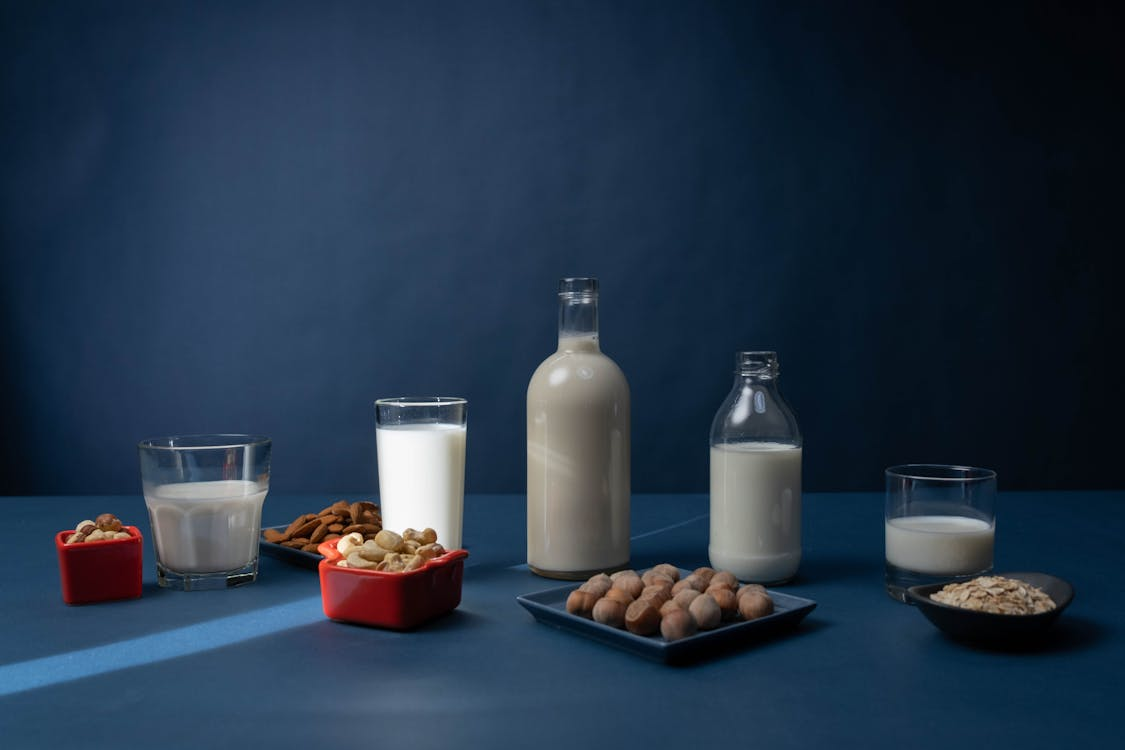

Milk rarely asks for attention. It doesn’t announce itself with strong flavor or bold color, yet it supports entire meals from behind the scenes. From a professional journalist’s perspective, this quiet reliability explains why milk recipes endure across cultures, generations, and economic conditions.
Milk contributes to cooking in several fundamental ways:
- It softens sharp or acidic flavors
- It creates smooth, cohesive textures
- It carries spices and aromas gently
- It adds nutrition without complexity
Open almost any refrigerator, and milk is there. Coffee, tea, cereal, soups, sauces, baking—milk connects these moments. Its strength lies in its familiarity. When people are tired, stressed, or uncertain, they tend to cook with ingredients they trust, and milk is high on that list.
Interactive pause: Think about your last three meals. How many of them involved milk directly or indirectly?
Understanding Milk Before Using It
Types of Milk and How They Affect Recipes
Milk is not a single, uniform product. Its behavior changes depending on fat content and processing, and these differences matter.
- Whole milk
Rich and creamy, with higher fat content. It performs best in sauces, custards, desserts, and baking because it tolerates heat and thickens naturally. - Low-fat milk
Balanced and versatile. Common in everyday cooking such as pancakes, porridges, and soups, though it produces lighter textures. - Skim milk
Light and watery. Best for beverages and light cooking, but less reliable when creaminess or structure is required.
Professional kitchens often favor whole milk because it offers consistency. Home cooks, however, frequently choose milk out of habit rather than intention.
Plant-Based Milk in Modern Milk Recipes
Milk recipes today reflect evolving diets and values. Plant-based options are now part of everyday cooking, not just alternatives.
Common choices include:
- Oat milk, known for its natural creaminess
- Soy milk, valued for its protein and stability
- Almond milk, light and aromatic
- Coconut milk, rich and bold, especially in savory dishes
Each behaves differently. Substitution is not just about replacing milk, but about understanding texture and flavor changes.
Question for you: When a recipe turns out differently than expected, do you blame the recipe—or the milk?

Breakfast Milk Recipes That Set the Tone
Milk Porridge Across Cultures
Milk porridge is one of the oldest prepared foods in human history, appearing in nearly every civilization. Its simplicity explains its survival.
At its core, it combines:
- Milk
- A grain such as oats, rice, or semolina
- Salt or gentle sweetness
Why it endures:
- Milk hydrates grains slowly and evenly
- Natural sugars develop during cooking
- The result is filling, warm, and calming
Variations are shaped by geography:
- Oats cooked in milk with fruit in northern climates
- Rice simmered in milk with spices in warmer regions
- Semolina porridge enriched with butter in Mediterranean kitchens
From a journalist’s lens, porridge often resurfaces during periods of uncertainty. It is affordable, predictable, and emotionally grounding.
Pancakes and Milk-Based Batters
Pancakes appear playful, but milk plays a technical role in their success.
Milk provides:
- Moisture for smooth batter
- Lactose that encourages browning
- Tenderness in the final texture
Helpful tips:
- Slightly warm the milk before mixing
- Allow batter to rest so flour hydrates
- Avoid over-mixing, which toughens pancakes
Interactive check: Are your pancakes thin and dry, or fluffy and soft? Milk handling usually explains the difference.
Savory Milk Recipes That Change Perceptions
White Sauce as a Culinary Foundation
White sauce, often called béchamel, is one of the most influential milk recipes ever developed. It demonstrates how milk can become structural, not just supportive.
It is made from:
- Milk
- Butter
- Flour
- Simple seasoning
This sauce forms the base of:
- Lasagna
- Mac and cheese
- Vegetable bakes
- Casseroles
Milk interacts with fat and starch to create stability. This technique shows how milk transforms basic ingredients into a cohesive dish that feels complete and satisfying.
Milk-Based Soups and Stews
Milk is equally effective in savory soups, especially those designed for comfort.
Common examples include:
- Potato milk soup
- Corn chowder
- Mushroom soup
Why milk works here:
- It softens bitter or sharp vegetables
- It creates body without heavy cream
- It distributes aroma evenly
Reflection: Which soup you usually make with water could gain depth and softness from milk?
Desserts Where Milk Takes the Lead
Rice Pudding as Universal Comfort
Rice pudding appears across continents under different names, yet the idea remains the same.
Shared characteristics:
- Slow cooking
- Milk thickened by starch
- Gentle sweetness
Its endurance is practical. Rice and milk are accessible, affordable, and familiar. During difficult periods, rice pudding often returns to family tables because it offers warmth and reassurance.
Custards, Puddings, and Milk Desserts
Custards rely heavily on milk’s protein structure.
Milk provides:
- Creaminess
- Stability
- A neutral base for flavors
Common mistakes include:
- Cooking over high heat
- Rushing the process
- Ignoring temperature control
Custards reward patience, a quality that modern, fast-paced cooking often overlooks.
Milk-Based Drinks as Emotional Food
Hot Milk Beverages
Hot milk drinks consistently rise in popularity during stressful periods.
Examples include:
- Hot chocolate
- Spiced milk
- Vanilla milk
Trend observation shows these drinks peak during:
- Winter months
- Economic uncertainty
- Social crises
Milk, in liquid form, becomes reassurance rather than just nourishment.
Cold Milk Drinks and Smoothies
Modern lifestyles favor speed and efficiency.
Milk-based smoothies offer:
- Quick energy
- Balanced nutrition
- Flexible flavor combinations
Popular pairings include:
- Milk with banana and oats
- Milk with dates and cocoa
- Milk with coffee and ice
Challenge: Can you create a satisfying drink with only three ingredients? Milk almost always makes it possible.
milkRecipes: An Analytical Perspective
milkRecipes
From an analytical standpoint, milk recipes succeed because milk is both chemically and culturally versatile. Its proteins coagulate and thicken, its sugars caramelize, its fats carry flavor, and its water content distributes heat evenly. Few ingredients perform so many functions simultaneously.
Economically, milk recipes thrive during periods of financial pressure. Milk stretches ingredients, increases satiety, and reduces waste. Historically, societies rely more heavily on milk-based cooking when resources must be managed carefully.
Culturally, milk symbolizes care and nourishment. Many people learn milk recipes early in life, and these dishes are passed down informally rather than through written instructions. This emotional connection ensures milk recipes endure regardless of trends or technology.
Milk recipes survive not because they are fashionable, but because they solve practical and emotional problems at the same time.
A Short Historical Perspective
History shows a consistent pattern: milk recipes surge during moments of disruption. During wartime rationing, governments encouraged milk puddings and porridges. During the 2008 financial crisis, home baking with milk increased. During the global pandemic, milk bread, custards, and comfort desserts filled kitchens and social media feeds.
These moments reveal a truth experienced journalists recognize: when uncertainty rises, people return to milk. It is familiar, affordable, and grounding.
Common Mistakes When Cooking With Milk
Even experienced cooks encounter problems.
Watch out for:
- Boiling milk too aggressively
- Adding acidic ingredients too quickly
- Using the wrong milk type
- Ignoring temperature control
Self-check: Which of these mistakes do you recognize from your own kitchen?
Milk Recipes in Today’s Food Culture
Milk recipes now sit at the intersection of:
- Nutrition awareness
- Sustainability concerns
- Plant-based innovation
Rather than abandoning milk, modern cooks are adapting it. Traditional techniques are being applied to new milk sources, creating hybrid recipes that respect tradition while embracing change.
Conclusion
Milk recipes are not disappearing; they are evolving. As food systems shift and diets diversify, milk continues to adapt through new sources, techniques, and interpretations. Whether used in a bowl of porridge, a carefully stirred sauce, or a warm drink before bed, milk remains a dependable presence