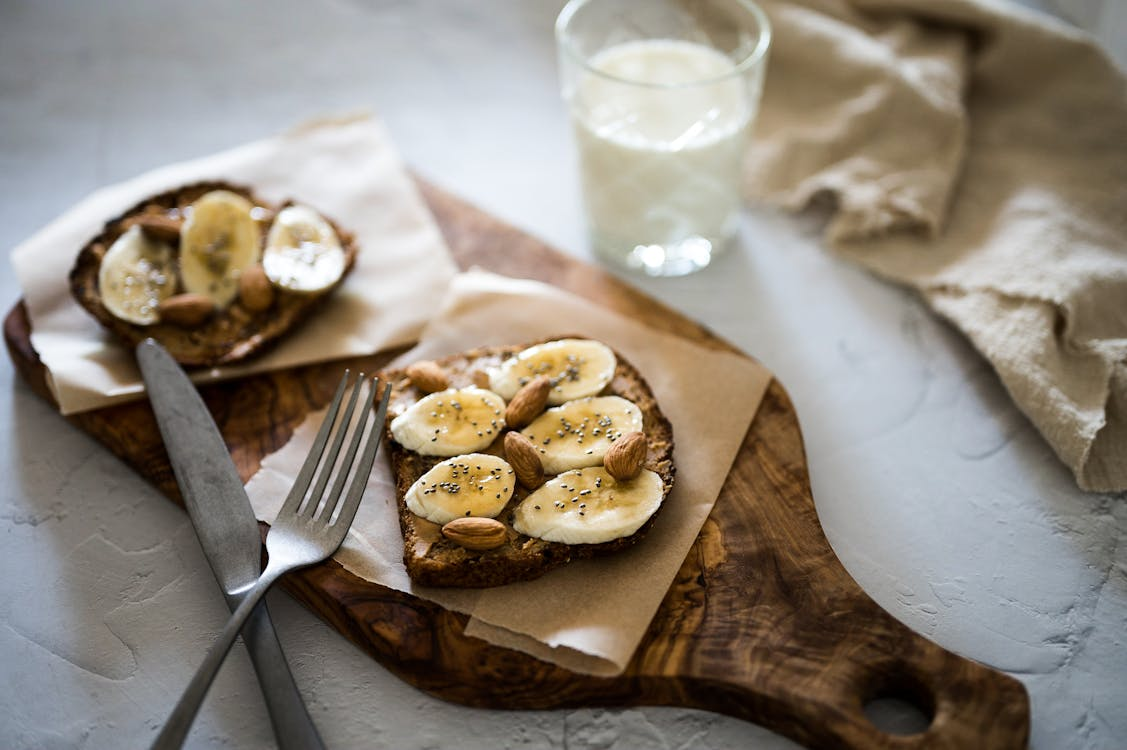

Milk rarely announces itself as the star of a dish, yet it consistently determines whether a recipe succeeds or fails. As a journalist observing food trends across cultures and decades, one pattern is clear: milk is not fashionable, but it is indispensable.
Milk contributes quietly but decisively by:
- Creating smooth textures without overwhelming flavor
- Acting as a neutral base for spices and herbs
- Adding nutritional value without complexity
- Making recipes accessible and economical
Consider this: when households face time pressure, budget limits, or emotional stress, they often turn to milk-based meals. Why? Because milk recipes are forgiving, familiar, and reliable.
Interactive thought: If you had only milk, flour, eggs, and heat, how many meals could you still prepare?
Understanding Milk Before Using It
Types of Dairy Milk and Their Culinary Roles
Not all milk performs the same way, and understanding these differences improves results dramatically.
- Whole Milk
- Higher fat content
- Ideal for sauces, custards, puddings, and baking
- Delivers richness and stability
- Low-Fat Milk (2%)
- Balanced consistency
- Suitable for pancakes, soups, and everyday cooking
- Skim Milk
- Minimal fat
- Best for beverages and light dishes, less ideal for thick sauces
Professional kitchens often default to whole milk because it is more forgiving under heat and less likely to curdle or separate.
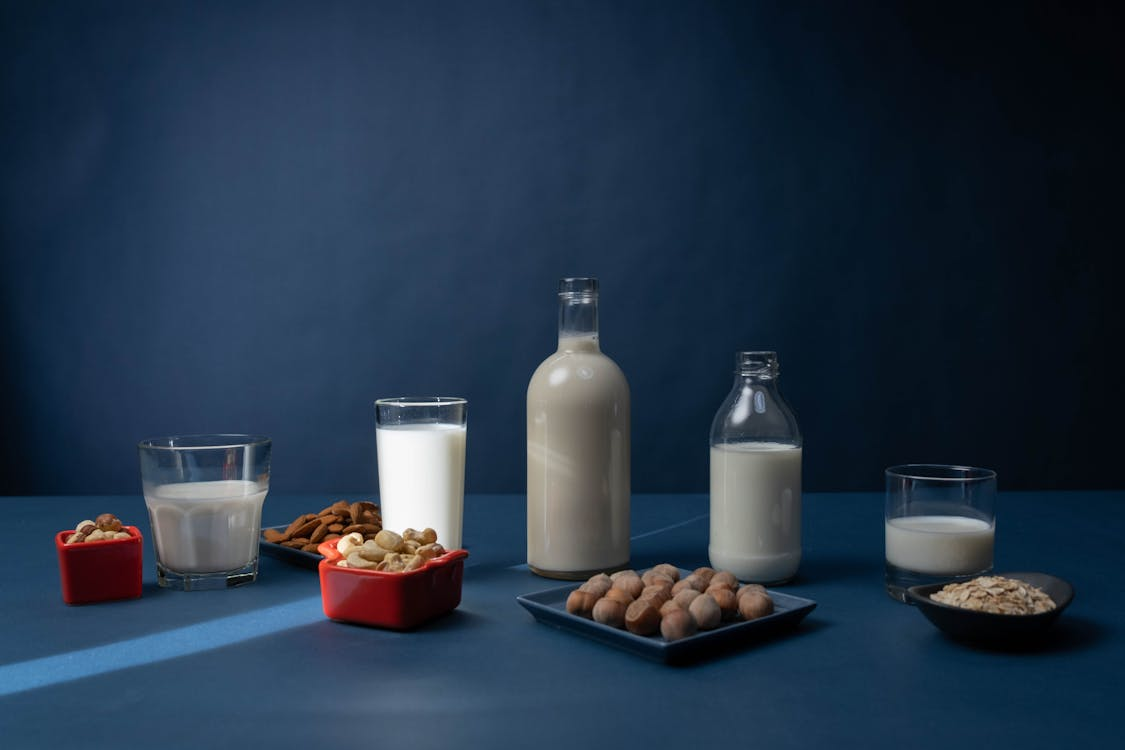
Plant-Based Milk in Modern Recipes
Today’s milk recipes increasingly reflect dietary diversity.
Common plant-based options include:
- Oat milk – naturally creamy, excellent for coffee and baking
- Soy milk – high protein, performs well under heat
- Almond milk – light and nutty, best for drinks and desserts
- Coconut milk – rich and aromatic, often replaces cream in savory dishes
Question for the reader: Do you choose your milk based on nutrition, taste, or tradition?

Breakfast Milk Recipes That Start the Day Strong
Milk Porridge Across Cultures
Milk porridge is one of humanity’s oldest prepared foods, appearing in countless variations.
Basic structure:
- Milk
- Grain (oats, rice, wheat, semolina)
- Salt or sweetener
Why it endures:
- Milk slowly hydrates grains
- Natural sugars develop during cooking
- The result is filling, soothing, and adaptable
Popular variations:
- Oats with milk, honey, and fruit
- Rice cooked slowly in milk with cinnamon
- Semolina porridge with butter and sugar
As a journalist, it’s impossible not to notice that porridge resurges during uncertain times—economic downturns, cold seasons, and periods of collective anxiety.
Pancakes and Milk-Based Batters
Milk pancakes are deceptively simple, yet technically precise.
Milk contributes:
- Moisture for batter consistency
- Lactose for browning
- Soft texture in the final product
Professional tips:
- Warm milk slightly before mixing
- Rest the batter to hydrate flour
- Avoid over-mixing to prevent toughness
Interactive pause: Are your pancakes dense or fluffy? Milk choice and handling often explain why.
Savory Milk Recipes That Defy Expectations
White Sauce (Béchamel) as a Foundation
Béchamel is one of the most influential milk recipes in culinary history.
Core ingredients:
- Milk
- Butter
- Flour
- Seasoning
Used in:
- Lasagna
- Mac and cheese
- Vegetable gratins
- Casseroles
Milk’s proteins bind with starch to form a stable sauce, making béchamel both simple and endlessly adaptable. This recipe demonstrates how milk transforms basic ingredients into something structurally complex.
Milk-Based Soups and Stews
Milk soups appear worldwide, often as comfort food.
Examples:
- Potato milk soup
- Corn chowder
- Mushroom milk soup
Why milk works:
- Softens strong vegetable flavors
- Creates body without heavy cream
- Enhances aroma retention
Ask yourself: Which soup you usually make with water could benefit from milk?
Desserts Where Milk Is Essential
Rice Pudding: A Global Comfort
Rice pudding exists in nearly every food culture.
Shared traits:
- Slow cooking
- Milk thickened by starch
- Gentle sweetness
Its persistence reflects practicality. Rice and milk are affordable, widely available, and emotionally resonant. During times of scarcity, rice pudding has historically filled both stomachs and spirits.
Custards, Puddings, and Milk Desserts
Custards rely on milk for structure.
Milk provides:
- Protein coagulation
- Creamy mouthfeel
- Neutral flavor for infusions
Common mistakes:
- Overheating
- Skipping temperature control
- Rushing the process
Custards reward patience—a lesson that resonates beyond the kitchen.
Milk-Based Drinks as Emotional Anchors
Hot Milk Beverages
Hot milk drinks consistently rise in popularity during stressful periods.
Common examples:
- Hot chocolate
- Spiced milk
- Vanilla milk
Journalistic trend analysis shows spikes in these drinks during:
- Economic downturns
- Winter months
- Global crises
Milk becomes more than nutrition—it becomes reassurance.
Cold Milk Drinks and Smoothies
Modern lifestyles favor speed and efficiency.
Milk-based smoothies offer:
- Balanced nutrition
- Quick preparation
- Customizable flavors
Popular combinations:
- Milk + banana + oats
- Milk + dates + cocoa
- Milk + coffee + ice
Interactive challenge: Create a smoothie using only three ingredients. Milk will likely be one of them.
milkRecipes: An Analytical Perspective
milkRecipes
From an analytical standpoint, milk recipes represent a rare intersection of chemistry, culture, and economics. Chemically, milk is uniquely versatile: proteins thicken, sugars caramelize, fats carry flavor, and water distributes heat evenly. This makes milk suitable for both precise techniques and forgiving home cooking.
Economically, milk recipes thrive during periods of financial pressure. Milk stretches ingredients, adds calories affordably, and reduces waste. Historically, societies turn to milk-based cooking when resources must go further.
Culturally, milk symbolizes care, nourishment, and continuity. Recipes involving milk are often taught early, remembered deeply, and passed down informally. This explains why milk recipes survive trends—they are embedded in daily life, not dependent on novelty.
In essence, milk recipes endure because they solve multiple problems at once: hunger, comfort, and practicality.
A Short Historical Perspective
Looking back, milk recipes tend to surge during moments of disruption. During wartime rationing, governments promoted milk puddings and porridge. During the 2008 financial crisis, home baking with milk resurged. During the global pandemic, social media filled with milk bread, custards, and comfort desserts.
These parallels suggest a pattern: when uncertainty rises, people cook with milk. It is familiar, affordable, and emotionally grounding. History confirms what kitchens already know.
Common Mistakes When Cooking With Milk
Even experienced cooks encounter issues.
Watch out for:
- Boiling milk too aggressively
- Adding acidic ingredients too quickly
- Using the wrong milk type for the recipe
- Ignoring temperature control
Self-check: Which of these mistakes have you made most often?
Milk Recipes in Today’s Food Culture
Milk recipes now sit at the crossroads of:
- Nutrition awareness
- Sustainability debates
- Plant-based innovation
Chefs are experimenting with hybrid approaches—traditional techniques using alternative milks, or classic recipes reinterpreted for modern diets. The conversation around milk is no longer about replacement, but adaptation.
Conclusion
Milk recipes are not fading; they are evolving. As food systems shift and preferences diversify, milk continues to adapt—through new sources, new techniques, and renewed appreciation for simplicity.