
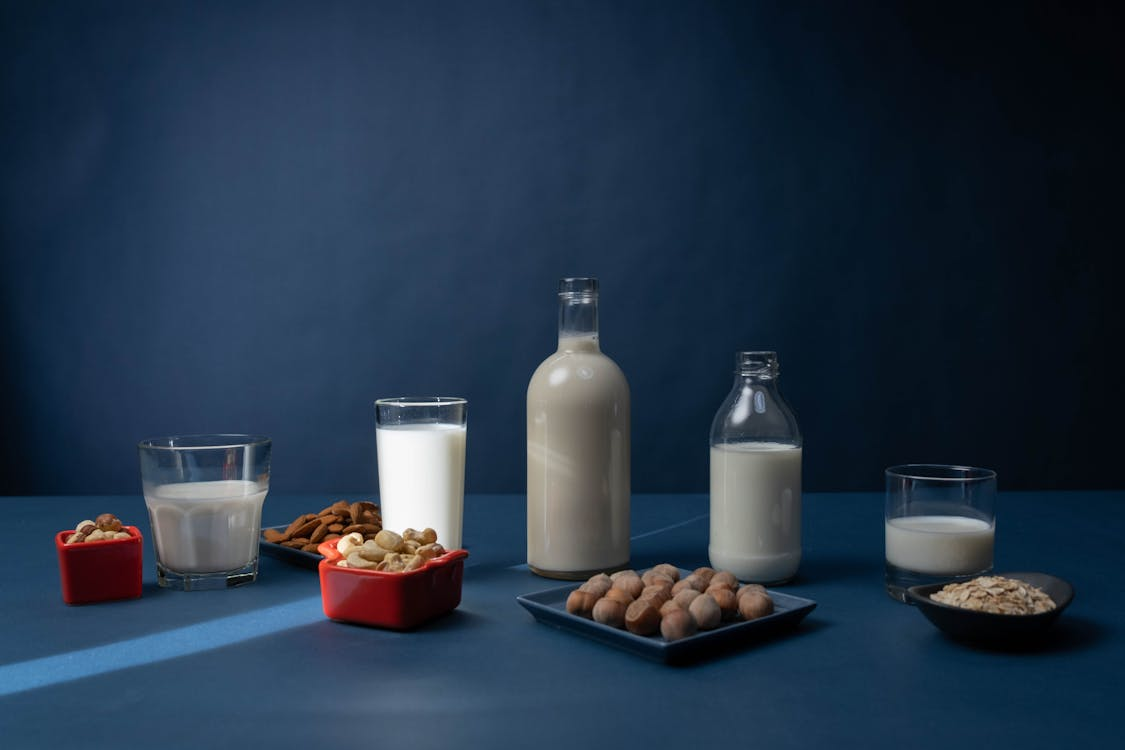
Milk is deceptively simple. It looks neutral, tastes mild, and is often treated as a background ingredient. Yet from a professional reporting lens, milk is a culinary constant that quietly shapes food systems, household habits, and even economic trends.
Across cultures, milk performs three critical functions:
- It binds ingredients together (as in sauces and batters)
- It softens flavors, especially spices and acidity
- It adds nutrition without demanding attention
Think about your own routine. Morning coffee? Evening tea? A bowl of cereal, a creamy soup, or a dessert after dinner? Milk is there, silently doing the work.
Interactive pause: If milk disappeared from your kitchen tomorrow, which meals would you struggle to recreate?
Understanding Milk Before You Cook With It
Dairy Milk Options and Their Uses
Not all milk behaves the same way under heat, pressure, or time. Understanding this is key to better results.
- Whole milk
- High fat content
- Ideal for custards, sauces, puddings, and desserts
- Low-fat milk
- Balanced texture
- Works well in everyday cooking and baking
- Skim milk
- Light and watery
- Best for drinks and low-calorie recipes
From a journalist’s perspective, whole milk remains dominant in traditional recipes because it delivers consistency and forgiveness—two traits home cooks value deeply.
Plant-Based Milk in Modern Kitchens
Milk recipes today reflect changing lifestyles and dietary awareness.
- Oat milk: creamy, neutral, excellent for coffee and baking
- Soy milk: protein-rich, stable under heat
- Almond milk: light, aromatic, best for smoothies
- Coconut milk: rich and bold, often replaces cream in savory dishes
Question for you: Do you adapt recipes to your milk, or choose milk to match the recipe?
Breakfast Milk Recipes That Anchor the Day
Creamy Milk Porridge
Porridge is one of the oldest milk recipes known to humanity.
Core ingredients:
- Milk
- Grains (oats, rice, semolina)
- Salt or sweetener
Why it works:
Milk hydrates grains slowly, releasing starch while proteins thicken the mixture naturally.
Variations you can try:
- Cinnamon and apple for warmth
- Honey and nuts for energy
- Savory porridge with milk, salt, and herbs
Journalistically speaking, porridge reflects how milk recipes adapt to climate: warming in cold regions, lighter in warmer ones.
Milk Pancakes
Pancakes are proof that milk recipes can be both simple and symbolic.
Milk contributes:
- Moisture
- Browning through lactose
- Soft texture
Tips for better pancakes:
- Warm the milk slightly before mixing
- Rest the batter for 10 minutes
- Avoid over-mixing
Try asking yourself: Are pancakes breakfast, dessert, or emotional comfort food? In many cultures, they are all three.
Savory Milk Recipes That Go Beyond Sweetness
White Sauce (Béchamel)
Few milk recipes are as influential as béchamel.
Ingredients:
- Milk
- Butter
- Flour
- Seasoning
This sauce is the backbone of:
- Lasagna
- Mac and cheese
- Vegetable bakes
From a reporting angle, béchamel represents European culinary structure—precise, measured, and endlessly adaptable.
Milk-Based Soups
Milk softens vegetables and carries aromatics beautifully.
Popular examples include:
- Potato soup
- Corn chowder
- Mushroom milk soup
Why milk succeeds here:
- It balances bitterness
- It smooths texture without cream
- It enhances aroma retention
Interactive thought: What soup would you normally make with water that could improve with milk?
Desserts Where Milk Takes Center Stage
Rice Pudding
Rice pudding appears across continents under different names.
Shared characteristics:
- Milk cooked slowly
- Rice releasing starch
- Gentle sweetness
This dessert survives because it’s economical, comforting, and forgiving—qualities that matter during uncertain times.
Milk Custards and Puddings
Milk custards depend on precision.
Milk provides:
- Creaminess
- Protein structure
- Flavor neutrality
Common mistakes to avoid:
- High heat
- Rushing the process
- Over-sweetening
From experience, custards teach patience—something modern cooking often forgets.
Milk-Based Drinks as Emotional Food
Hot Milk Beverages
Milk drinks rise in popularity during stress-heavy periods.
Examples include:
- Hot chocolate
- Spiced milk
- Vanilla milk
Journalistic trend analysis shows spikes in milk beverage consumption during:
- Economic uncertainty
- Winter seasons
- Global crises
Milk, in liquid form, becomes reassurance.
Smoothies and Cold Milk Drinks
Milk also plays a role in modern, fast-paced nutrition.
Benefits include:
- Protein delivery
- Flavor blending
- Texture consistency
Try experimenting with:
- Fruit + milk + seeds
- Milk + dates + cocoa
- Milk + coffee + ice
milkRecipes: An Analytical Perspective
milkRecipes
From an analytical standpoint, milk recipes represent a culinary intersection of biology, economy, and culture. Milk’s chemical structure—water, fat, protein, and sugar—makes it uniquely adaptable. Proteins thicken, sugars brown, and fats carry flavor. This versatility explains why milk appears in both poverty-driven survival recipes and high-end gastronomy.
Economically, milk recipes flourish during periods of inflation because milk stretches ingredients further. Culturally, they persist because milk symbolizes care, nourishment, and continuity. When people return to milk-based cooking, they are often seeking stability—not novelty.
In short, milk recipes endure not because they are trendy, but because they are reliable.
A Brief Historical Context
Historically, milk recipes surge during moments of social disruption. During wartime rationing, milk puddings and porridge became staples. During the 2008 financial crisis, simple milk-based baking resurged. Even during the global pandemic, homemade milk bread and desserts flooded social media.
These patterns tell us something important: when uncertainty rises, people cook with milk. It is familiar, affordable, and emotionally grounding—qualities that history repeatedly rewards.
Common Mistakes When Cooking With Milk
Even experienced cooks stumble.
Watch out for:
- Boiling milk aggressively
- Adding acid too quickly
- Using the wrong milk type
- Ignoring temperature control
Interactive check: Which of these mistakes have you made before?
The Role of Milk Recipes in Modern Food Culture
Milk recipes now sit at the crossroads of:
- Nutrition awareness
- Sustainability debates
- Plant-based innovation
Chefs and home cooks alike are rethinking milk—how it’s sourced, how it’s substituted, and how it’s celebrated.
Conclusion
Milk recipes are not disappearing—they are evolving. As dietary preferences shift and food systems change, milk remains relevant by adapting. Whether through traditional porridge, modern oat-milk sauces, or reimagined desserts, milk continues to offer comfort and creativity in equal measure.
Looking forward, the future of milk recipes lies in balance: honoring tradition while embracing innovation. For readers and cooks alike, the message is clear—milk is not just an ingredient from the past. It is a quiet, powerful companion in the kitchens of tomorrow.