
Useful Summary
Fish recipes are no longer just a culinary niche or a coastal tradition; they are becoming a central part of modern diets worldwide. Driven by health awareness, sustainability concerns, and changing food habits, fish-based meals are increasingly shaping how families, restaurants, and even policymakers think about nutrition. This report explores why fish recipes matter today, how they affect consumers, and what the future holds for seafood in everyday kitchens.
Why Fish Recipes Are Gaining Attention
Over the past decade, fish has quietly moved from the margins of weekly meal plans to the center of many household tables. What was once seen as expensive, difficult to cook, or limited to specific cultures is now embraced as a practical and desirable protein.
Several factors explain this shift:
- Greater public awareness of healthy eating
- Medical advice promoting fish over red meat
- Increased availability of fresh and frozen seafood
- Global food culture spreading through media and travel
Fish recipes today are not only about taste; they reflect broader changes in lifestyle, health priorities, and consumer behavior.
The Modern Fish Kitchen: From Simple to Sophisticated
Modern fish recipes cover a wide spectrum, from quick weekday meals to refined restaurant dishes. What unites them is accessibility. Chefs and home cooks alike emphasize simplicity and freshness rather than complicated techniques.
Popular categories of fish recipes include:
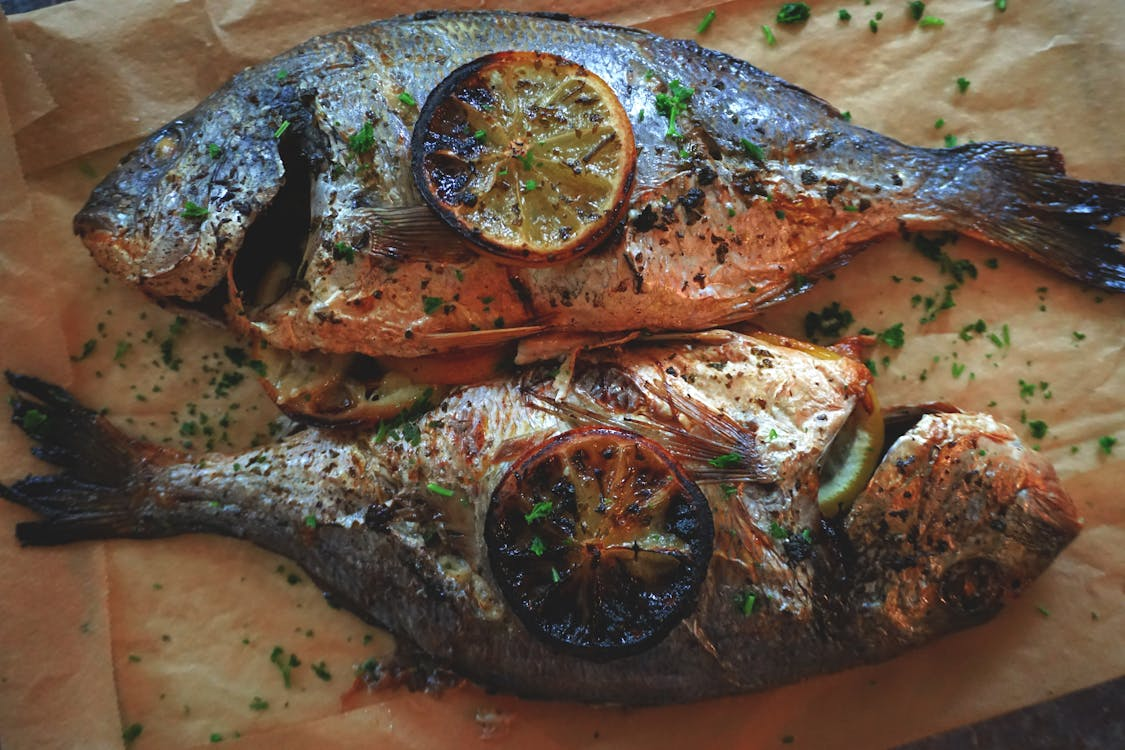
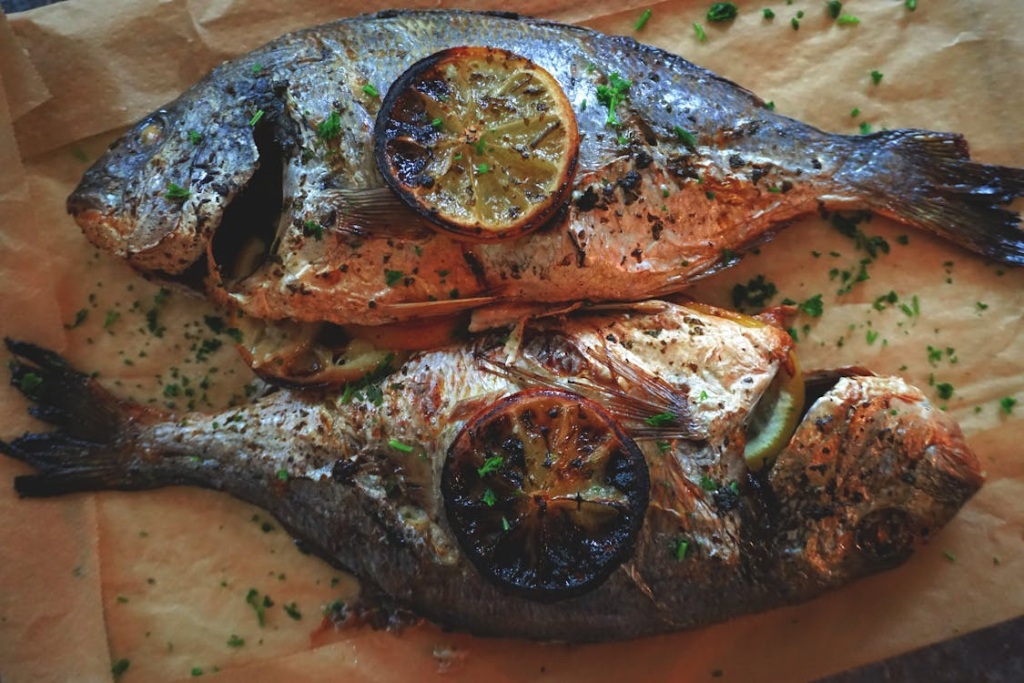
- Grilled fish with herbs and citrus
- Baked fish with vegetables and olive oil
- Pan-seared fillets with light sauces
- Traditional fish stews adapted for modern kitchens
These dishes are designed to be:
- Fast to prepare
- Nutritionally balanced
- Adaptable to different cuisines
As a result, fish is increasingly perceived as “everyday food” rather than an occasional indulgence.
Fish Recipes
What Does This Trend Mean for the Consumer and Home Cook?
For consumers, the rise of fish recipes carries practical, economic, and cultural implications.
From a daily perspective, fish offers:
- High-quality protein with fewer calories
- Essential nutrients such as omega-3 fatty acids
- Short cooking times suitable for busy schedules
However, this growing demand also raises new questions. Consumers are now more aware of:
- The source of their seafood
- Sustainability and overfishing
- Price fluctuations depending on season and supply
In other words, choosing a fish recipe today is not just a culinary decision—it is a conscious choice that reflects values around health, ethics, and environmental responsibility.
Health at the Center of the Conversation
Nutrition experts consistently highlight fish as a cornerstone of a balanced diet. Studies linking fish consumption to improved heart health, brain function, and reduced inflammation have fueled its popularity.
Health authorities often recommend:
- Eating fish at least twice a week
- Prioritizing fatty fish like salmon, sardines, and mackerel
- Limiting heavily fried preparations
As a result, fish recipes are increasingly framed as preventive healthcare, not merely comfort food.
The Role of Media and Digital Platforms
One of the most powerful drivers behind the fish recipe boom is digital media. Cooking shows, food blogs, and social media platforms have transformed how people learn to cook seafood.
Short videos demonstrating:
- How to clean fish
- How to avoid overcooking
- Simple marinades and seasonings
have removed much of the fear traditionally associated with fish cooking. Seeing a recipe prepared step by step makes it approachable and repeatable.
This digital exposure has also globalized fish cuisine, introducing home cooks to flavors and techniques from different regions.
A Historical Perspective: Fish as a Staple Through Time
Fish has always played a vital role in human diets. Long before refrigeration and global trade, coastal and river communities relied on fish as a primary source of protein.
Historically:
- Fish was preserved through salting, drying, and smoking
- Many cultures built entire cuisines around seasonal catches
- Fish dishes were closely tied to religious and cultural practices
In medieval Europe, fish consumption increased during fasting periods, while in Asia and Africa, fish was central to daily nutrition. The current revival of fish recipes is, in many ways, a return to these older traditions—adapted for modern lifestyles.
Sustainability: The Hidden Ingredient in Fish Recipes
As fish recipes gain popularity, sustainability has become an unavoidable part of the discussion. Overfishing, habitat destruction, and climate change threaten marine ecosystems.
Consumers are now encouraged to:
- Choose sustainably sourced fish
- Support local fisheries
- Diversify the species they consume
This shift has influenced recipe development as well. Chefs increasingly highlight lesser-known fish species to reduce pressure on overfished stocks.
Economic Impact: From Fishermen to Markets
The rise in fish consumption has economic consequences across the supply chain.
Key effects include:
- Increased income opportunities for local fishermen
- Expansion of seafood processing industries
- Price volatility linked to demand and environmental factors
For consumers, this means fish can sometimes feel expensive or unpredictable in price. However, advocates argue that better supply management and consumer education can stabilize markets over time.
Cultural Identity and Fish Recipes
Fish recipes are also deeply tied to identity. For many communities, traditional fish dishes are symbols of heritage and memory.
Whether it is:
- A family fish stew passed down through generations
- A street food recipe from a coastal town
- A festival dish linked to a specific season
these recipes carry stories, not just flavors. The renewed interest in fish has helped revive and preserve these culinary traditions.
Challenges Facing Home Cooks
Despite its popularity, cooking fish still presents challenges for some consumers.
Common concerns include:
- Fear of strong smells
- Uncertainty about freshness
- Risk of overcooking
Modern fish recipes increasingly address these issues by emphasizing:
- Clear freshness indicators
- Simple cooking times
- Minimal seasoning to highlight natural flavor
Education, rather than complexity, is the key to overcoming these barriers.
Restaurants and the Reinvention of Fish Dishes
Restaurants have played a major role in reshaping how fish is perceived. Contemporary menus often present fish as:
- A lighter, refined option
- A sustainable choice
- A creative centerpiece rather than a side dish
This restaurant innovation often filters back into home cooking, influencing how people recreate dishes in their own kitchens.
Globalization of Fish Recipes
Today’s fish recipes are global by nature. A single kitchen might combine:
- Mediterranean olive oil techniques
- Asian spices and marinades
- African stews and grilling methods
This blending reflects broader globalization trends and the openness of modern consumers to experimentation.
The Future of Fish Recipes
Looking ahead, fish recipes are likely to play an even greater role in food culture.
Several trends suggest this direction:
- Continued emphasis on health and wellness
- Growing concern for sustainable protein sources
- Innovation in aquaculture and plant-based feeds
- Technological tools improving traceability and quality
Fish is positioned as a bridge between tradition and innovation—an ingredient rooted in history but adaptable to future needs.
Conclusion: More Than Just a Meal
Fish recipes today represent far more than cooking instructions. They sit at the intersection of health, sustainability, culture, and economics. As consumers become more informed and intentional, fish is emerging as a symbol of smarter eating and responsible choice.