
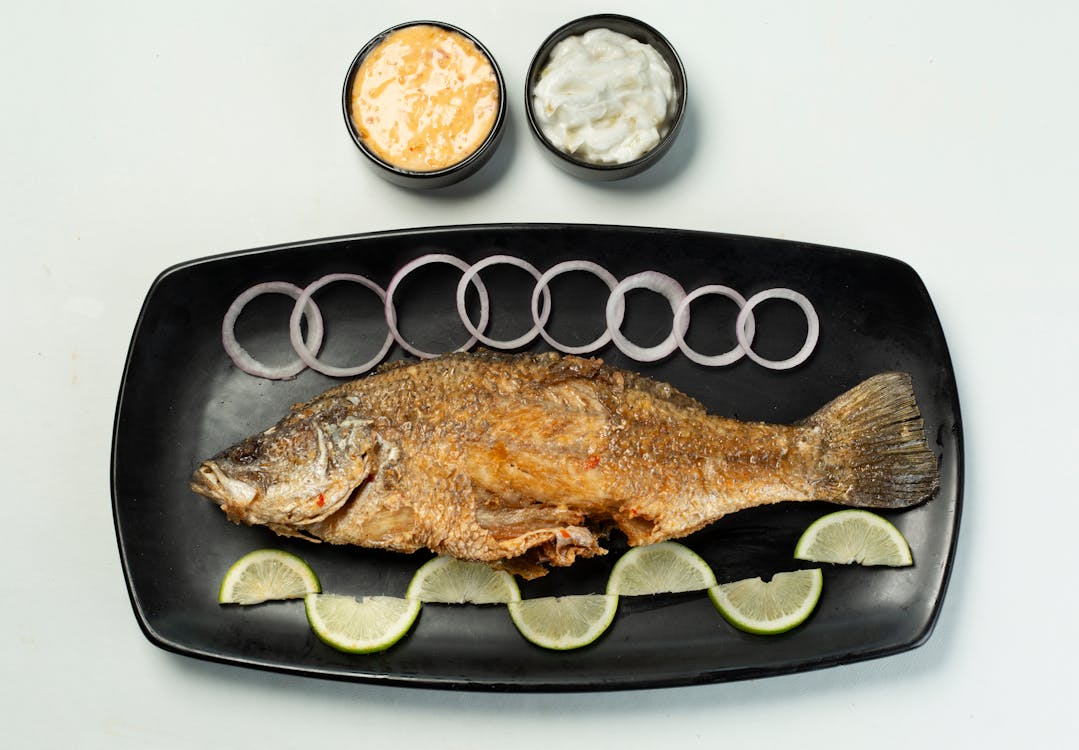
Useful Summary
Fish recipes are rapidly becoming a defining feature of modern diets, as consumers search for meals that are healthier, more sustainable, and easier to prepare. Once limited to coastal regions or special occasions, fish is now a regular presence in home kitchens and restaurant menus alike. This report examines why fish recipes are gaining momentum, what this shift means for everyday consumers, and how seafood is shaping the future of food culture.
A Quiet but Powerful Change in Eating Habits
Food trends often arrive with hype, but the rise of fish recipes has been steady rather than sudden. Over recent years, seafood has moved from the margins of meal planning to a central role in everyday diets. This transformation reflects deeper changes in how people think about health, time, and responsibility.
Several forces are driving this shift:
- Growing concern about chronic health conditions
- Medical advice to reduce red and processed meat
- Faster-paced lifestyles that demand quick meals
- Greater exposure to global cuisines
Fish recipes respond directly to these realities. They are flexible, relatively fast to cook, and adaptable to a wide range of tastes.
Why Fish Recipes Are Gaining Ground Now
Fish has always been part of human diets, but its renewed popularity is tied to modern priorities. Unlike many food trends, this one is rooted in long-term changes rather than novelty.
Key reasons fish recipes are thriving include:
- Increased awareness of nutritional balance
- Desire for lighter, less processed meals
- Interest in sustainable protein sources
- Improved access to fresh and frozen seafood
Fish fits naturally into these expectations. It can be grilled, baked, steamed, or stewed, and it absorbs flavors easily without requiring complex preparation.
From Occasional Dish to Weekly Staple
Not long ago, fish was often treated as an occasional meal—something ordered at restaurants or cooked on weekends. Many households avoided it during the week due to concerns about preparation or cost.
That mindset is changing. Modern fish recipes emphasize:
- Simple techniques
- Short ingredient lists
- Predictable cooking times
As a result, fish has become a realistic option for everyday meals, not just special occasions.
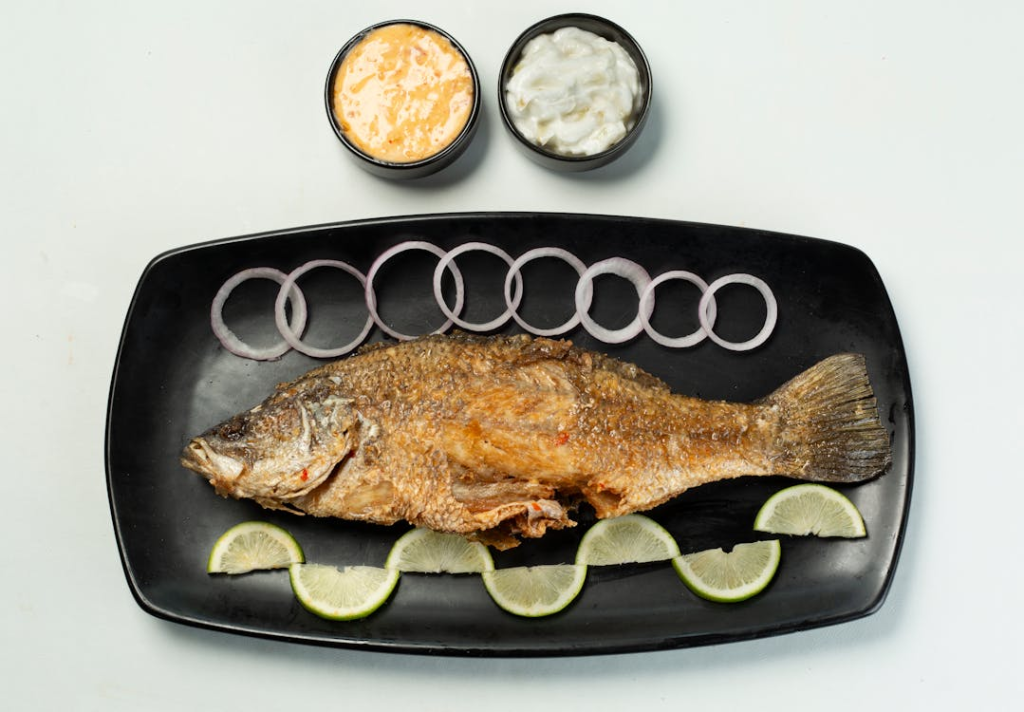
Fish Recipes
What Does This Trend Mean for the Consumer?
For consumers, the rise of fish recipes has practical, economic, and ethical implications.
On a daily level, fish offers:
- High-quality protein with relatively low saturated fat
- Essential nutrients such as omega-3 fatty acids
- Meals that fit into busy schedules
But the impact goes beyond convenience. Consumers are increasingly aware of the broader story behind their food. When choosing fish, many now consider:
- The source of the seafood
- Whether it was wild-caught or farmed
- Sustainability and environmental impact
- Price fluctuations linked to supply and season
Fish recipes have become a point where health, awareness, and responsibility meet.
Health as the Primary Driver
Health remains the strongest factor behind the popularity of fish recipes. Scientific research consistently links fish consumption to positive outcomes, including improved heart health, better cognitive function, and reduced inflammation.
Health authorities often recommend:
- Eating fish two to three times per week
- Choosing fatty fish such as salmon, sardines, and mackerel
- Limiting heavily fried preparations
As a result, fish recipes are increasingly framed as part of preventive healthcare. Cooking fish is no longer just about taste—it is about long-term well-being.
The Media’s Role in Changing Perceptions
Media has played a critical role in making fish cooking accessible. Cooking shows, food blogs, and short-form videos have transformed seafood preparation into a visual, step-by-step experience.
These platforms answer common concerns:
- How do you know when fish is done?
- How do you avoid drying it out?
- How much seasoning is enough?
By removing uncertainty, media has helped turn fish from an intimidating ingredient into a familiar one.
A Brief Historical Perspective
Fish has always been essential to human diets. Long before modern refrigeration or global trade, communities living near water relied on fish as a dependable protein source.
Historically:
- Fish was preserved through drying, salting, and smoking
- Entire cuisines developed around seasonal catches
- Religious traditions often favored fish over meat
In medieval Europe, fish consumption increased during fasting periods. In many parts of Asia and Africa, fish stews and grilled dishes were everyday staples. Today’s renewed interest in fish recipes echoes these traditions, adapted to modern kitchens.
Sustainability Moves to the Forefront
As fish consumption rises, sustainability has become a central concern. Overfishing, climate change, and pollution threaten marine ecosystems, forcing consumers and producers to rethink their practices.
Modern fish recipes increasingly reflect sustainability by:
- Encouraging the use of underutilized species
- Promoting seasonal seafood
- Highlighting responsible sourcing
For many consumers, sustainability is no longer optional. It has become an integral part of food decision-making.
Economic Effects Beyond the Kitchen
The growing popularity of fish recipes affects the entire food system, from fishermen to retailers.
Key economic impacts include:
- Increased demand for local fisheries
- Growth in seafood processing and distribution
- Price volatility influenced by climate and supply
While fish prices can fluctuate, advocates argue that informed choices—such as buying local or seasonal fish—can help stabilize markets and support small producers.
Restaurants as Cultural Trendsetters
Restaurants have played a major role in redefining fish’s image. Modern menus often present fish as:
- Refined yet approachable
- Light but satisfying
- Creative rather than traditional
Chefs experiment with global flavors, introducing new techniques and combinations. These innovations often inspire home cooks, influencing how fish is prepared at home.
Global Flavors on Everyday Plates
One of the defining features of modern fish recipes is their global character. A single dish might combine:
- Mediterranean olive oil and herbs
- Asian soy-based marinades
- African or Middle Eastern spice blends
This fusion reflects broader cultural openness. Fish’s neutral flavor makes it an ideal base for experimentation across cuisines.
Common Challenges for Home Cooks
Despite growing confidence, cooking fish still presents challenges.
Common concerns include:
- Lingering cooking smells
- Difficulty judging freshness
- Fear of overcooking
Modern recipes address these issues through:
- Clear freshness indicators
- Precise cooking times
- Simple preparation methods
Education has replaced guesswork, making fish cooking more accessible.
Fish Recipes and Cultural Memory
Fish recipes often carry deep emotional value. For many families, a particular dish represents:
- Childhood memories
- Family gatherings
- Regional identity
As interest in fish grows, traditional recipes are being rediscovered and preserved. This revival connects generations while allowing room for innovation.
Technology and the Future of Seafood
Technology is quietly shaping the future of fish consumption. Advances in aquaculture, cold-chain logistics, and traceability systems are improving quality and transparency.
Consumers can now:
- Trace the origin of their seafood
- Access freshness information
- Learn cooking techniques online
These developments reinforce trust and encourage continued interest in fish recipes.
Looking Ahead: Where Fish Recipes Are Headed
The trajectory of fish recipes suggests continued growth rather than decline.
Several trends support this outlook:
- Ongoing focus on health and longevity
- Rising demand for sustainable protein
- Innovation in seafood production
- Increased consumer awareness
Fish is well positioned to remain a cornerstone of modern diets, balancing tradition with innovation.
Conclusion : More Than Just a Meal
Fish recipes today represent far more than cooking instructions. They reflect changing values around health, sustainability, culture, and responsibility. As consumers become more informed and intentional, fish has emerged as a symbol of mindful eating.
For readers and home cooks, the question is no longer whether fish belongs on the menu, but how thoughtfully it can be chosen and prepared. Seafood has moved from the margins to the center of modern food culture—and it shows no sign of leaving.