Useful Summary
Fish recipes are becoming a central part of modern diets, driven by growing health awareness, changing lifestyles, and increasing concern for sustainability. Once seen as occasional or difficult to prepare, fish is now widely embraced by home cooks, restaurants, and nutrition experts alike. This report examines why fish recipes matter today, how they affect consumers, and what their growing popularity signals for the future of food culture.
A Changing Relationship With Food
Food habits rarely change overnight. Yet, over the past decade, fish has quietly gained ground on dinner tables around the world. What used to be reserved for coastal communities or special occasions is now a regular choice for families far from the sea.
Several developments explain this shift:
- Increased awareness of diet-related health issues
- A move away from heavy red-meat consumption
- Busy lifestyles that favor quick and flexible meals
- Exposure to global cuisines through media and travel
Fish recipes sit at the crossroads of these changes, offering a solution that feels both modern and traditional.
Why Fish Recipes Are Everywhere Today
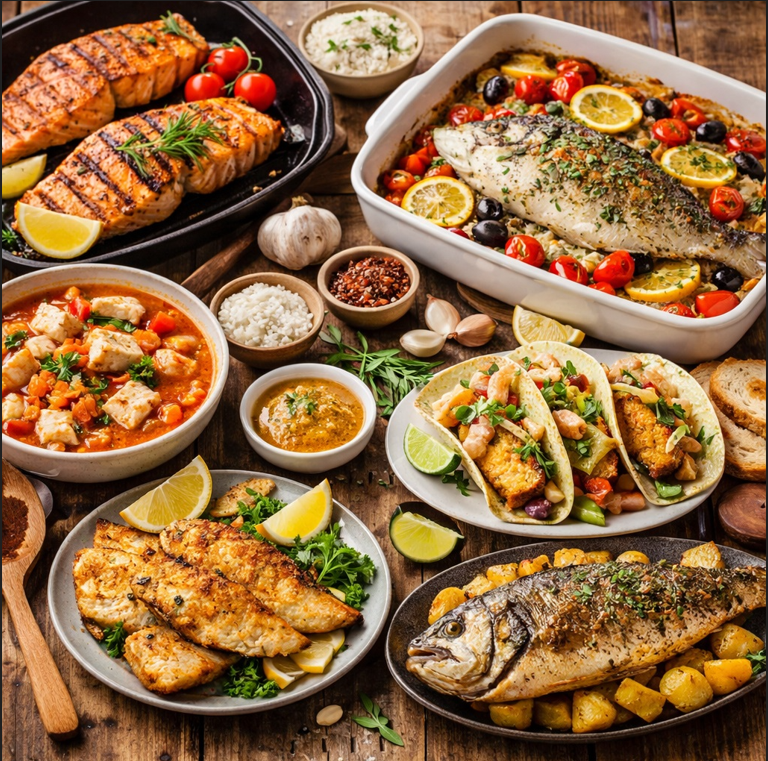
Scroll through social media, browse a cooking website, or open a restaurant menu, and you will notice how often fish appears. From grilled fillets to comforting stews, seafood has become highly visible.
This rise is not accidental. Fish recipes respond directly to contemporary needs:
- They cook faster than most meats
- They require fewer ingredients
- They adapt easily to different flavor profiles
In a world where time is limited and food choices feel increasingly complex, fish offers simplicity without sacrificing quality.
From Intimidation to Confidence in the Kitchen
For years, many home cooks avoided fish. The reasons were familiar:
- Fear of overcooking
- Concerns about smell
- Uncertainty about freshness
Modern fish recipes address these fears head-on. They focus on:
- Clear cooking times
- Minimal handling
- Simple seasoning
Instead of complicated instructions, today’s recipes emphasize intuition and confidence. As a result, fish no longer feels risky—it feels manageable.
Fish Recipes
What Does This Trend Mean for the Consumer?
For consumers, the rise of fish recipes has both immediate and long-term implications.
On a practical level, fish offers:
- High-quality protein with lower fat content
- Essential nutrients such as omega-3 fatty acids
- Meals that fit into busy daily routines
But the impact goes further. Consumers are now more aware of the broader context behind their meals. Questions that once seemed irrelevant are now part of everyday decision-making:
- Where was this fish caught or farmed?
- Is it sustainable?
- Why does its price fluctuate?
Choosing a fish recipe today is no longer just about taste. It reflects values related to health, responsibility, and awareness.
Health as a Driving Force
Health concerns are perhaps the strongest engine behind the fish recipe boom. Doctors and nutritionists frequently point to fish as a cornerstone of balanced diets.
Scientific studies have linked regular fish consumption to:
- Improved heart health
- Better cognitive function
- Reduced inflammation
As a result, health authorities often recommend:
- Eating fish at least twice a week
- Prioritizing fatty fish such as salmon or sardines
- Avoiding excessive frying
Fish recipes are increasingly framed as preventive care, blurring the line between nutrition and medicine.
The Media’s Role in Making Fish Popular
Media exposure has dramatically changed how people approach fish. Cooking shows, recipe blogs, and short videos have transformed seafood preparation into something visual and approachable.
Seeing a recipe prepared step by step helps answer common questions:
- How do you know when fish is done?
- How do you avoid dryness?
- What seasoning works best?
This visual education has been crucial. Once people see how simple fish cooking can be, hesitation disappears.
A Short Historical Perspective
Fish has always played a vital role in human diets. Long before modern refrigeration, communities near water relied on fish as a reliable protein source.
Historically:
- Fish was preserved through drying, salting, and smoking
- Many cultures built entire cuisines around seasonal fish
- Religious traditions often elevated fish over meat
In medieval Europe, fish consumption increased during fasting periods. In Asia and Africa, fish stews and grilled dishes formed everyday meals. Today’s renewed interest in fish recipes mirrors these older patterns, updated for modern kitchens.
Sustainability Enters the Conversation
As fish consumption rises, sustainability has become impossible to ignore. Overfishing, climate change, and pollution have placed pressure on marine ecosystems.
Modern fish recipes increasingly reflect this reality by:
- Encouraging the use of underutilized species
- Promoting seasonal consumption
- Highlighting responsible sourcing
For many consumers, sustainability is no longer optional. It is a key factor in choosing which fish recipe to prepare.
Economic Effects: Beyond the Plate
The popularity of fish recipes affects more than just home kitchens.
Economic impacts include:
- Increased demand for local fisheries
- Growth in seafood processing industries
- Price volatility linked to environmental conditions
While fish prices can fluctuate, advocates argue that informed consumption—choosing local and seasonal options—can help stabilize markets and support small producers.
Restaurants as Cultural Influencers
Restaurants have played a major role in reshaping fish’s image. Contemporary menus present fish as:
- Refined yet approachable
- Light but satisfying
- Creative rather than traditional
Chefs experiment with flavors and techniques borrowed from different cuisines, often inspiring home cooks to replicate these ideas at home. This exchange between restaurants and households fuels ongoing innovation.
Global Flavors, Local Ingredients
One of the defining features of modern fish recipes is their global character. A single dish may combine:
- Mediterranean olive oil
- Asian marinades
- African spice blends
This fusion reflects a broader cultural openness. Fish, as a neutral and versatile protein, adapts easily to global experimentation.
Common Challenges for Home Cooks
Despite its popularity, fish cooking still presents challenges.
Common concerns include:
- Lingering cooking smells
- Difficulty judging freshness
- Fear of overcooking
Modern recipes respond with:
- Clear freshness indicators
- Short, precise cooking times
- Simple preparation techniques
Education has replaced complexity. As confidence grows, these challenges become manageable rather than discouraging.
Fish Recipes and Cultural Memory
Fish recipes are deeply tied to identity and memory. For many families, a specific dish represents:
- Childhood meals
- Family gatherings
- Regional traditions
As interest in fish grows, traditional recipes are being rediscovered and preserved. This revival strengthens cultural continuity while allowing room for innovation.
The Future of Fish Recipes
Looking ahead, fish recipes are likely to grow even more prominent.
Several trends support this outlook:
- Continued focus on health and longevity
- Rising demand for sustainable protein
- Advances in aquaculture
- Improved transparency in food sourcing
Technology may change how fish is produced, but its role in human diets remains secure.
Conclusion : More Than a Food Trend
Fish recipes today represent far more than cooking instructions. They reflect a broader shift toward mindful eating—where health, sustainability, culture, and practicality intersect.
For readers and home cooks, the key question is no longer whether fish belongs on the menu, but how thoughtfully it can be chosen and prepared. As awareness grows, fish recipes are shaping not just what we eat, but how we think about food itself.
Seafood has moved from the margins to the center of the conversation—and it shows no sign of swimming back.