
Useful Summary
Fish recipes are increasingly shaping how people eat, cook, and think about food. Once viewed as occasional, expensive, or difficult to prepare, fish has become a regular choice for households, restaurants, and health-conscious consumers. Driven by nutrition awareness, sustainability debates, and changing lifestyles, fish recipes now sit at the center of modern food culture. This report explores why fish matters today, what this trend means for consumers, and how seafood is influencing the future of everyday meals.
A Quiet Shift on the Dinner Table
Food trends often arrive loudly, but the rise of fish recipes has been gradual and steady. Over the past decade, seafood has moved from being a niche option to a mainstream staple. Families who once relied heavily on red meat or processed foods are increasingly turning to fish as an alternative that feels lighter, healthier, and more versatile.
Several factors explain this shift:
- Growing concern about diet-related diseases
- Increased medical advice to reduce red meat intake
- Busy lifestyles that favor quick, flexible meals
- Greater exposure to global cuisines
Fish recipes answer many of these needs at once. They are adaptable, relatively fast to prepare, and suitable for a wide range of tastes.
Why Fish Recipes Are Everywhere Today
Open a supermarket flyer, browse a food website, or scroll through social media, and fish appears everywhere. From grilled fillets to comforting stews, seafood dishes are no longer limited to specific cultures or regions.
The popularity of fish recipes reflects broader changes in consumer behavior:
- People want meals that feel nutritious without being restrictive
- Home cooks seek ingredients that work across cuisines
- There is growing interest in “lighter” proteins
Fish fits naturally into this landscape. It absorbs flavors easily, pairs well with vegetables, and can be prepared in countless ways without complicated techniques.
From Intimidation to Confidence in the Kitchen
For many years, fish intimidated home cooks. The fear was common: overcooking, strong smells, or buying fish that wasn’t fresh. As a result, many people avoided it altogether.
Modern fish recipes have changed that perception. They emphasize:
- Clear cooking times
- Simple seasoning
- Minimal handling
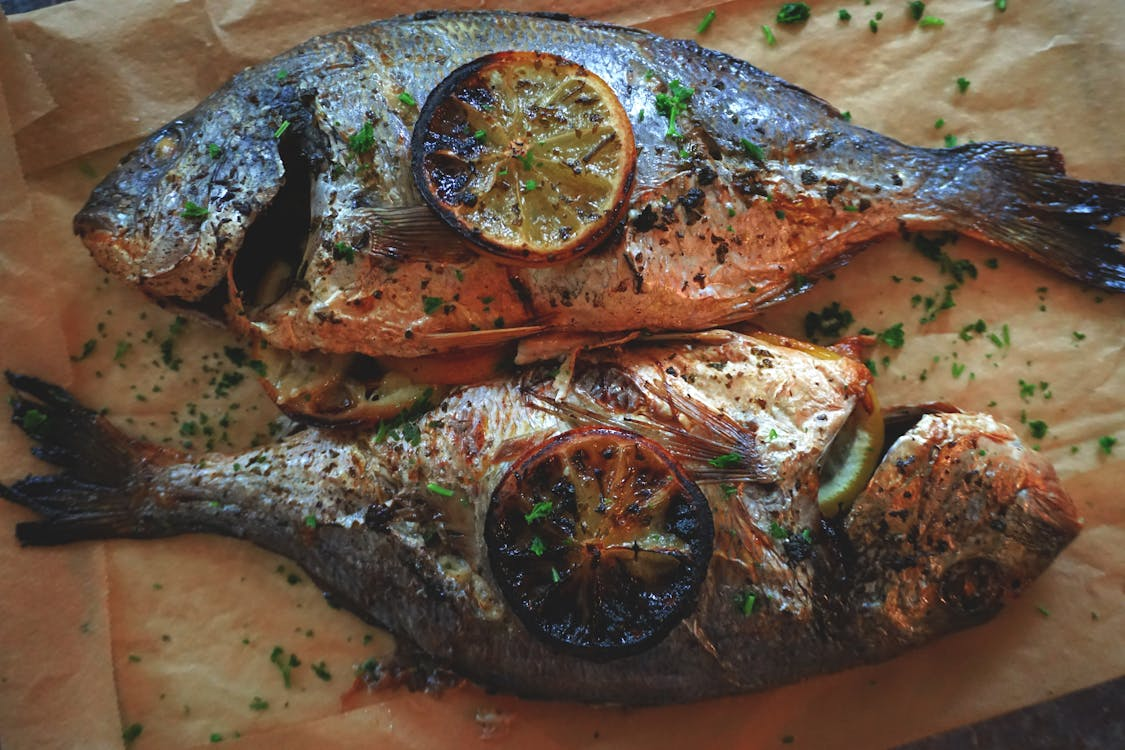
Instead of complex instructions, recipes now focus on fundamentals. A basic baked fish with herbs or a lightly pan-seared fillet no longer feels risky. Confidence has replaced hesitation, and fish has become approachable.

Fish Recipes
What Does This Trend Mean for the Consumer?
For consumers, the rise of fish recipes carries practical, economic, and ethical implications.
On a daily level, fish offers:
- High-quality protein with relatively low fat
- Essential nutrients such as omega-3 fatty acids
- Short cooking times suitable for busy schedules
But the impact goes deeper. Consumers are now more aware of what lies behind the food on their plate. Questions that once seemed distant are now part of everyday choices:
- Is this fish sustainably sourced?
- Was it wild-caught or farmed?
- Why does the price change so often?
Choosing a fish recipe today is increasingly a reflection of values, not just taste. Health, responsibility, and awareness all play a role.
Health as the Main Driver
Health remains the strongest force behind the popularity of fish recipes. Numerous studies link regular fish consumption to improved heart health, better brain function, and reduced inflammation.
Health authorities often recommend:
- Eating fish at least twice a week
- Prioritizing fatty fish like salmon, sardines, and mackerel
- Limiting heavy frying or processed coatings
As a result, fish recipes are no longer framed as indulgent meals. They are presented as part of preventive healthcare, turning cooking into an act of self-care.
The Role of Media and Digital Platforms
Media has played a crucial role in transforming fish from intimidating to familiar. Cooking shows, recipe blogs, and short-form videos have made seafood preparation visible and accessible.
Visual content answers key questions instantly:
- How do you know when fish is cooked?
- How do you avoid dryness?
- How much seasoning is enough?
This exposure has empowered a new generation of home cooks. When people see fish prepared simply and successfully, they are more willing to try it themselves.
A Short Historical Perspective
Fish has always been central to human diets. Long before refrigeration or global trade, communities living near water relied on fish as a primary source of protein.
Historically:
- Fish was preserved through drying, salting, and smoking
- Many cultures built entire cuisines around seasonal fish
- Religious traditions often promoted fish over meat
In medieval Europe, fish consumption increased during fasting periods. In Asia and Africa, fish stews and grilled dishes formed the backbone of daily meals. Today’s renewed interest in fish recipes echoes these traditions, adapted for modern kitchens.
Sustainability Enters the Conversation
As fish consumption increases, sustainability has become impossible to ignore. Overfishing, pollution, and climate change threaten marine ecosystems, forcing consumers and chefs to rethink their choices.
Modern fish recipes increasingly reflect sustainability by:
- Encouraging the use of under-utilized species
- Promoting seasonal consumption
- Highlighting responsible sourcing
Sustainability is no longer a niche concern. For many consumers, it is a deciding factor when choosing which fish recipe to cook.
Economic Impact: From Sea to Table
The rise of fish recipes affects the entire food system, from fishermen to markets.
Key economic effects include:
- Increased demand for local fisheries
- Growth in seafood processing industries
- Price fluctuations linked to weather and supply
For consumers, this can mean variable prices. While fish can sometimes feel expensive, advocates argue that informed choices—such as buying seasonal or local fish—can make seafood more affordable and sustainable.
Restaurants as Trendsetters
Restaurants have played a major role in reshaping fish’s image. Modern menus present fish as:
- Elegant yet approachable
- Light but satisfying
- Creative rather than traditional
Chefs experiment with spices, marinades, and cooking techniques borrowed from different cuisines. These ideas often filter back into home cooking, inspiring people to recreate restaurant-style dishes in their own kitchens.
Global Flavors on One Plate
One of the most striking aspects of modern fish recipes is their global character. A single dish might combine:
- Mediterranean olive oil and herbs
- Asian soy-based marinades
- African spice blends
This fusion reflects a broader openness to experimentation. Fish, as a neutral and adaptable protein, lends itself perfectly to global creativity.
Common Challenges—and How Recipes Address Them
Despite growing popularity, cooking fish still presents challenges.
Common concerns include:
- Lingering cooking smells
- Difficulty judging freshness
- Fear of overcooking
Modern recipes address these issues through:
- Clear freshness indicators
- Precise cooking times
- Simple preparation techniques
Education has replaced complexity. As confidence grows, these challenges become manageable rather than discouraging.
Fish Recipes and Cultural Memory
Fish recipes are deeply tied to identity and memory. For many families, a specific dish represents:
- Childhood meals
- Celebrations and holidays
- Regional pride
As interest in fish grows, traditional recipes are being rediscovered and preserved. This revival strengthens cultural continuity while allowing space for innovation.
Looking Ahead: The Future of Fish Recipes
The trajectory of fish recipes suggests they will continue to grow in importance.
Several trends support this outlook:
- Continued focus on health and longevity
- Rising demand for sustainable protein
- Advances in aquaculture
- Greater transparency in food sourcing
Technology may change how fish is produced, but its role in human diets appears secure.
Conclusion: More Than Just a Food Trend
Fish recipes today represent far more than cooking instructions. They sit at the intersection of health, sustainability, culture, and economics. As consumers become more informed and intentional, fish has emerged as a symbol of mindful eating.
For readers and home cooks, the key question is no longer whether fish belongs on the menu, but how thoughtfully it can be chosen and prepared. Seafood has moved from the margins to the center of the conversation—and it shows no sign of swimming back.